In life, success can often be an obstacle to finding happiness; a job can prevent adults from having time for a family or self-care. The Merriam-Webster dictionary, a leading authority in American English since 1831, defines success as “the attainment of wealth, favor, or eminence” and happiness as “a pleasurable or satisfying experience.”
No matter how much someone wishes to find a balance between the two, it can be overwhelming as goals grow bigger and relationships get sacrificed to make space for career milestones.
Success doesn’t mean the same thing to everyone. Each person’s definition of success is more or less influenced by the experiences and people around them.
“I think I define success by saying that I’m proud of what I have done in my life… And I think what shapes that is I see how my family is doing in life and how they set a goal for themselves, and they made that goal,” senior Zulamith Ochoa said.
As people get older, these definitions can change and evolve. Instructional Assistant Luna Caceres, at the age of 21, and having gone through three years at Citrus College, operates under a different understanding.
“I think I would define success based off your happiness in life and achieving your personal goals. I would base it off my grandparents and my parents because I don’t think they ever had the goal of having a really glamorous life, being a lawyer or doctor. But they had simple lives with their families, and they’re very happy. I mean, they sought out to make a family home, and they did,” Caceres said.
For older individuals like special education, biology, and environmental science teacher Jill Cyhaniuk, who have experimented with different paths, like architecture and business, their way of defining success is more definite and personal, rather than Ochoa and Caceres, who looked towards their family.
“I define success as being happy with your job and happy with what’s happening in your life… This is my 36th year as a teacher. And I feel fulfilled, and I feel happy with my career. And I feel like I have been a success because I’ve seen students change over the years and grow and really become really good people,” Cyhaniuk said.
The facts are simple: a good mind makes good work.
The Psychological Bulletin published a study reviewing over 200 different happiness studies and found that happiness is much more likely to drive success because when people are thinking positively, they are more likely to work harder, and these people are more likely to acquire different skills during these moods.
When workers are happy, they are more willing to make more contributions and interact positively with coworkers. This job satisfaction reportedly results in slightly higher incomes and long-term success. Happiness should come first, not the other way around.
Delaying gratification for a promised future is unreliable, as it turns out, as these sacrifices may be irreparable.
A common desire among today’s working class is vacation and travel. The luxury of having those memories and experiences with loved ones early on is difficult to replicate.
“Things become a lot harder when you’re older. If you want to climb a mountain, you can’t wait until you’re 80 to do that. There is some sacrifice. If you want to save money and go on trips later, you might have to go on a leisurely cruise instead of hiking through the mountains. And about relationships, as you get older, you lose certain people,” Caceres said.
One of the biggest misconceptions people have about success is that all they need is money to be happy, but that’s not true. People quickly adapt to wealth and the initial boost of happiness from a raise or job promotion soon fades; in economics, this is known as the law of diminishing marginal utility.
“Doing what you like, a career that you are interested in, something that makes you happy, is more important than pursuing a career that is just about the money,” Cyhaniuk said.
Success without happiness often leaves people unfulfilled, no matter how much they achieve. Choosing happiness first may be the most successful decision of all.
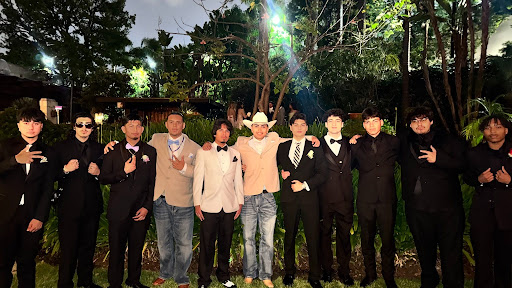
![Members of this year's prom court after the prom fashion show on April 19 April 19. “The fun part, like homecoming and stuff, that is like the movies, they have prom and stuff, announcing prom queen [and] prom king,” senior Stephanie Perez said.](https://wchsinsight.org/wp-content/uploads/2026/05/40FC9FA0-2E0E-4D8A-A044-BBC0E7A131A0.jpg)