In high school culture where trends change constantly and fitting in feels necessary to survive, students who identify as “alternative” stand out amongst the crowd. From heavy eyeliner to layered jewelry and dyed hair, alternative students’ style usually speaks for itself. But behind the style is usually something much deeper: identity, creativity and self-expression.
The term “alternative” is an umbrella term used to describe several different subcultures that exist outside of mainstream fashion and trends. While many people use words like “emo,” “goth,” “punk” and “scene” interchangeably, each style has its own background, music influences and aesthetic. Even though they are different, they are generally grouped under the phrase “alternative” because they reject traditional expectations and encourage individuality.
One of the most recognized styles is emo, which originally grew from emotional hardcore music in the 1980s and became more mainstream in the 2000s. Emo fashion is often associated with darker colors, band T-Shirts, skinny jeans, chains, layered bracelets and expressive makeup like eyeshadow and eyeliner. Music plays a massive role in shaping emo culture, with bands like My Chemical Romance, Paramore, and Pierce the Veil helping shape the style and community.
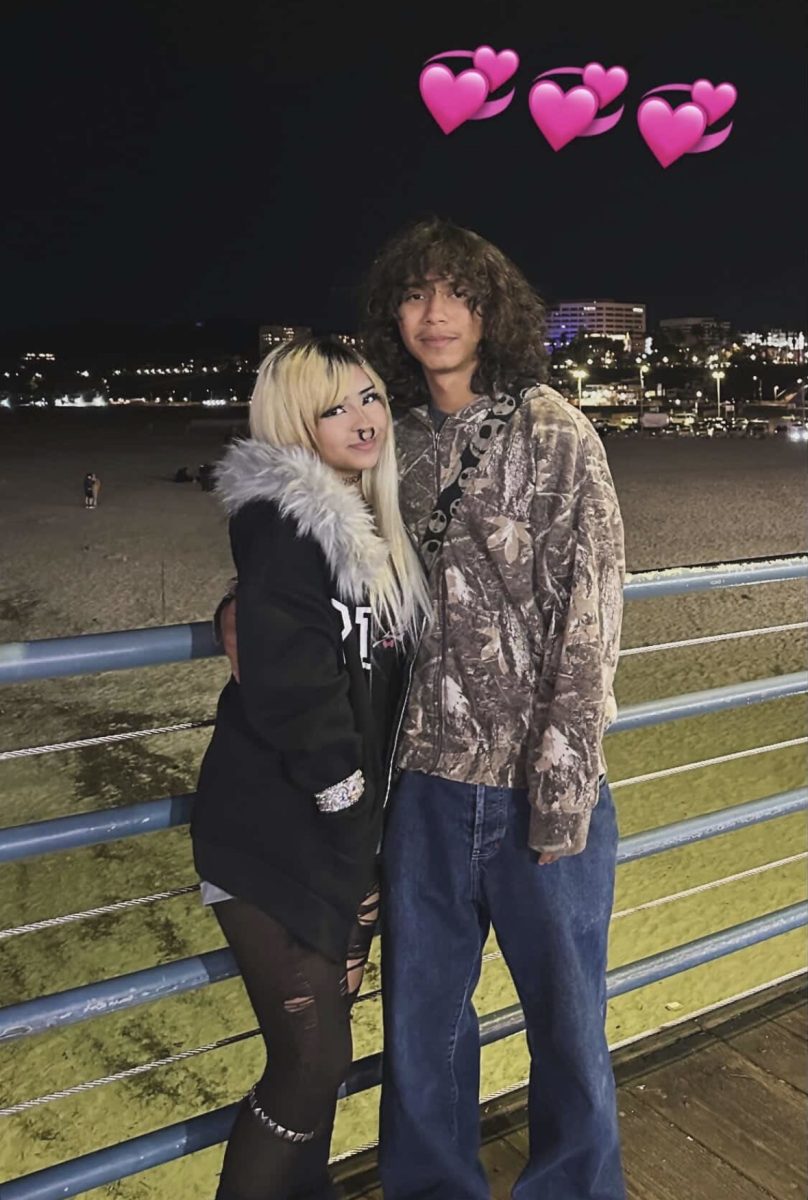
For sophomore Breauna Aleman, alternative culture is not about trying to impress others, but about feeling comfortable with who she truly is.
“I don’t want to be like anybody, and I just want to be myself,” Aleman said.
Rather than following popular trends and trying to fit into social expectations, many alternative students use fashion, music and appearance as a reflection of their personality and interests. Aleman explained that her style is inspired by emo, scene and other influences she has connected with his childhood. She describes herself as a “mixture of everything she enjoys,” showing how alternative culture allows students to build identities based on creativity rather than fitting in.
Similarly, her boyfriend, sophomore Jomar Echiribel, who identifies more with skate culture, explained that authenticity is one of the things he values most in people.
“I personally like someone who has their own personality different than others,” Echiribel said.
Although skate culture and emo culture are often viewed as separate communities, both emphasize creativity and confidence. He highlighted how many teenagers are drawn to alternative culture because it encourages them to stand out instead of blending in. Rather than see these differences as negative, both students described individuality as a positive quality.
In addition to fashion, music plays a major role in shaping alternative identity. Aleman described music as one of the biggest influences in her life and emotional expression.
“Pierce the Veil is one of the bands that influenced me emotionally and actually could make me cry. Their songs are so perfect and fit my situations, but also their more uplifting songs can spark my happiness. It’s one of the bands/music artists that helped me during hard times,” Aleman said.
For many alternative students, music becomes much more than entertainment. Emo and similar genres often create emotional connections for listeners who relate to the lyrics and messages behind the songs. Listening to artists connected to alternative culture helped Aleman develop her identity and find comfort in her interests.
Likewise, Echiribel explained that music and shared interests are one of the reasons alternative culture and skate culture are associated with one another.
“I think skaters and alternative people get grouped together socially because they share similar interests in music, activities and entertainment,” Echiribel said.
Both skate culture and alternative culture emphasize freedom, individuality and creative expression. He also reinforces the idea that students often form friendships and communities based on shared interests rather than popularity or trends.
Although alternative students are often stereotyped in the media as rebellious or isolated, Aleman explained that her high school experience has actually been more positive and accepting.
“The ratio between people that love who I am and what I do against the people who don’t is such a small amount of people,” Aleman said.
In addition to a more accepting high school experience, Aleman explained that embracing her interests and style made her feel happier and more secure in her identity. She described alternative culture as “free-spirited” and “open-minded” explaining that it allows people to focus on their own happiness rather than social approval.
“Now I really couldn’t care less what people want me to be like,” Aleman said.
Together, the couple challenges the stereotypes that alternative teenagers are unhappy or antisocial. Instead, both students described their own communities as supportive and accepting. Their experiences show how alternative culture can create a sense of belonging for students who may feel disconnected from mainstream society.
“I want to be inspirational,” Aleman said.