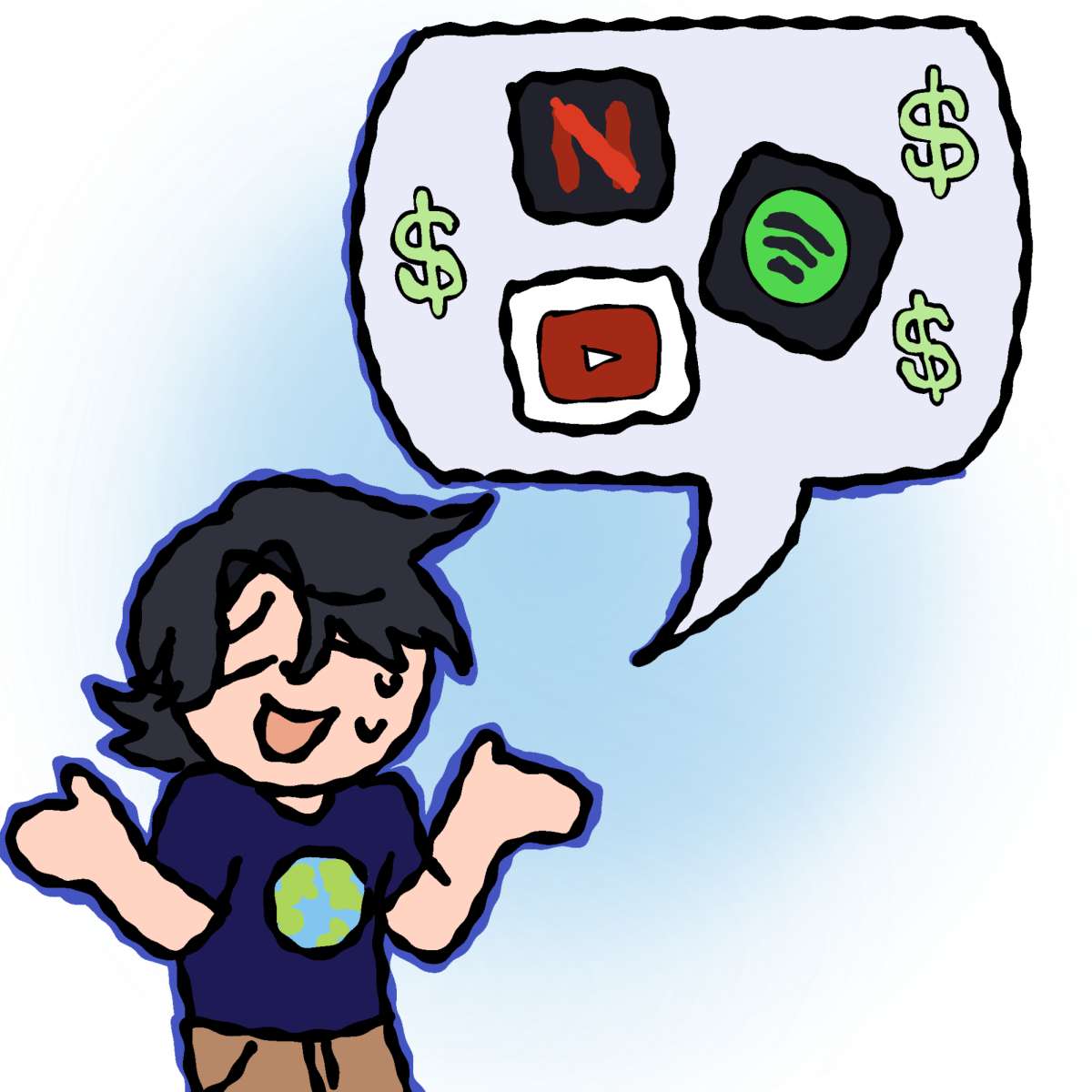
In recent years, online subscription services such as Netflix, Spotify and YouTube Premium have seen increased usage. Subscriptions have surpassed traditional TV usage as of 2025, according to the Nielsen Company, a global leader in audience analytics and media data. However, prices for subscriptions have only gone up, often without adding new content, which would make the price changes less desirable.
Subscription services have grown in popularity by ensuring a consistent and predictable source of income for the businesses providing them. Effectively turning a single purchase into a long-term service.
According to ERP Today, an independent news and analysis outlet, “The average consumer spends approximately $133 per month on subscriptions, totaling around $1,600 annually, with 42% of consumers paying for forgotten subscriptions.”
Some students like Junior Heng Lu on campus want to purchase online services; however, they find it difficult to do so with the presence of subscriptions.
“I hate subscriptions so much. It’s every month, I’m paying that. Oh my god, I hate it. I hate it. I hate it. I hate it. There’s also the reason I’m really into editing, but then there’s Adobe’s subscription. But I hate subscriptions, so rather I didn’t use Adobe software at all. I choose to use DaVinci Resolve. And it’s like 300 bucks, but it’s one time, so there’s no subscriptions,” Lu said.
On certain applications, such as Spotify in junior Troy Nyunt’s experience, there is a noticeable difference between the mobile and PC versions, with mobile users being required to pay for the same content that PC users would otherwise have for free with adds, such as being able to listen to unlimited songs and having the loop feature available.
“No premium on PC is fine for me. I don’t mind looping songs for hours. It’s just the fact that mobile is far different from PC and worse,” Nyunt said.
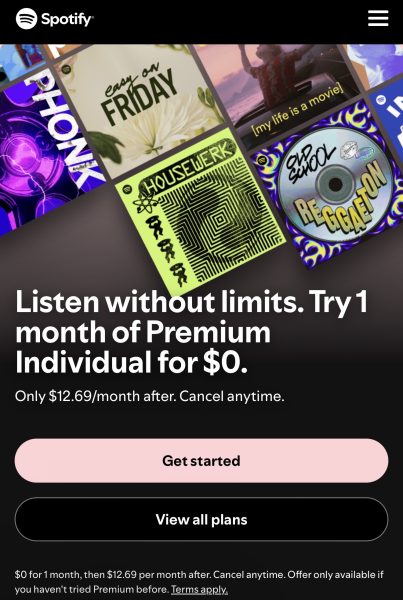
However, subscription services are difficult to cancel in comparison to signing up for them in the first place as a tactic to discourage users from unsubscribing from them. Often, cancellation options are found under hidden tabs, or require making mandatory phone calls.
According to Self Financial (Self.inc), a financial technology company, “The majority (54.9%) of survey respondents said that they have at least one paid subscription going unused. This is down from 85.7% in 2024.”
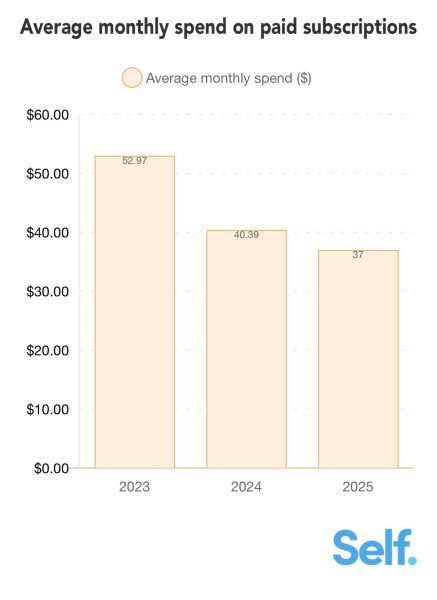
According to CableCompare, a company that helps users identify and compare internet providers, “By the end of 2026, the majority of American households are projected to rely solely on non-pay TV services.”
As of the current date, it is unlikely that subscriptions will be going away any time soon, because they are so relevant to our lives.

![Members of this year's prom court after the prom fashion show on April 19 April 19. “The fun part, like homecoming and stuff, that is like the movies, they have prom and stuff, announcing prom queen [and] prom king,” senior Stephanie Perez said.](https://wchsinsight.org/wp-content/uploads/2026/05/40FC9FA0-2E0E-4D8A-A044-BBC0E7A131A0.jpg)