Food is more than just a basic human need. It is a way to create memories, bridge generations and explore different parts of the world, as each dish offers a taste of a distinct culture. The act of sharing a meal brings people together and allows for a moment to express love through laughter, debriefing about a long day, and being in the presence of friends and family.
Different cultures share a variety of dishes that play a big role in celebration. This can be observed on special occasions, such as Christmas tamales, school potlucks and Thanksgiving dinners. Exploring others’ food can open a window to learning about their traditions and experiences that words cannot express. The dishes served at these gatherings can reflect the identity and traditions of each person’s background as many have been passed down from generations, keeping the traditions alive.
According to an article by the University of British Columbia, The Intersection of culture and cuisine: How food shapes our identity. “By exploring diverse cuisines, we can gain insights into various societies’ history, traditions, and social structures. For instance, analyzing the ways in which food is prepared and consumed can reveal significant information about gender roles and power dynamics in a given community.”
Food also bonds and connects people daily. Students can bond over shared snacks at lunch, boba runs after school or a girls’ night out to dinner. These moments can be seen as small actions, but they build trust and help nurture a stronger bond.
Many families also use food to connect with their children, spouses and siblings. One common way this is done is through routine family dinners, where each member of the family gathers at the dinner table to eat and talk about their day.
Junior Mauricio Huerta enjoys cooking his favorite meal, steak and eggs, but also often cooks traditional
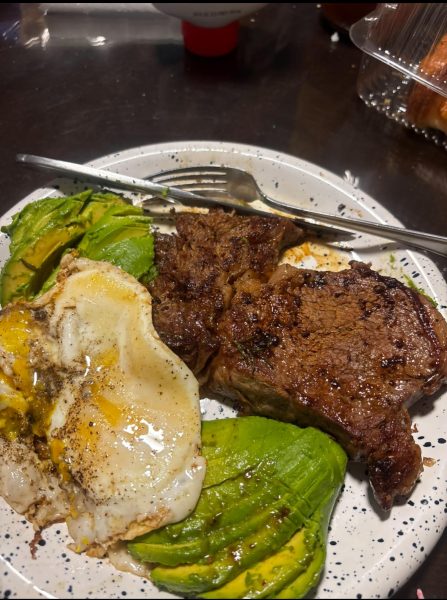
Mexican dishes with his family. He uses this time to bond and grow closer to his parents.
“Food brings us together. We talk, we have a good time, we enjoy the moment. After soccer practice, I get to come home and sit down at the table and eat together as a family.” Huerta said.
There are also different forms in which someone can make food. It doesn’t always have to be in the form of a cooked meal, but instead a baked dessert. According to the blog Why Baking Makes Us Feel Better on Psychology Today, a major media enterprise covering mental health, human behavior, and science. “The rhythm of stirring, the smell of vanilla, the soft feel of dough—it all keeps you in the moment. Research shows that everyday creative activities like cooking and baking are linked with improved mood and emotional well-being (Tamlin et al., 2016).”
Not only does food connect family and one’s close circle, but it also allows for language and cultural boundaries to be crossed. Not everyone speaks the same languages, but they can still explore and enjoy the food of other cultures.
According to an article by The Power of Food, Bridging Differences and Building Connections. “Food brings communities together and fosters a sense of belonging. From neighborhood potlucks to community food festivals, these gatherings create spaces where individuals from diverse backgrounds can interact and strengthen social ties.”
Many people celebrate with baked goods such as pan dulce in Mexico, often eaten during holidays and family gatherings to offer warmth, and mooncakes in China, eaten during the Mid-Autumn festival, a celebration that takes place in September when the moon is seen to be at its brightest to symbolize unity.
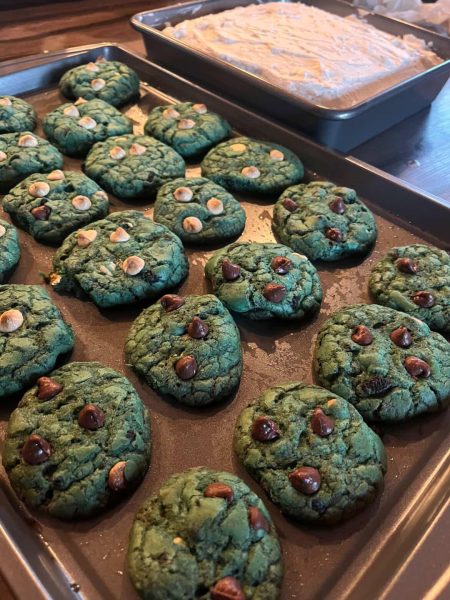
Freshman Alvin Qiu Feng recently started baking and his favorite thing to bake is cookies. He found that picking up this hobby helped him connect with friends when they began to have their own mini potluck, where they each brought their favorite snacks.
“There was one time I brought a dozen cookies to share with my friends, and I feel like it strengthened our bond because now we have some sort of tradition where one of us brings something savory or someone brings dessert, so it’s fun to do,” Feng said.
As well as strengthening a bond, food is a powerful tool that can help repair relationships after a disagreement. Food offers a moment for people to slow down and lighten the mood, which can help bond those who may be having a rocky time. Inviting someone to sit down and get their favorite food or drink can show effort and a desire to make them happy.
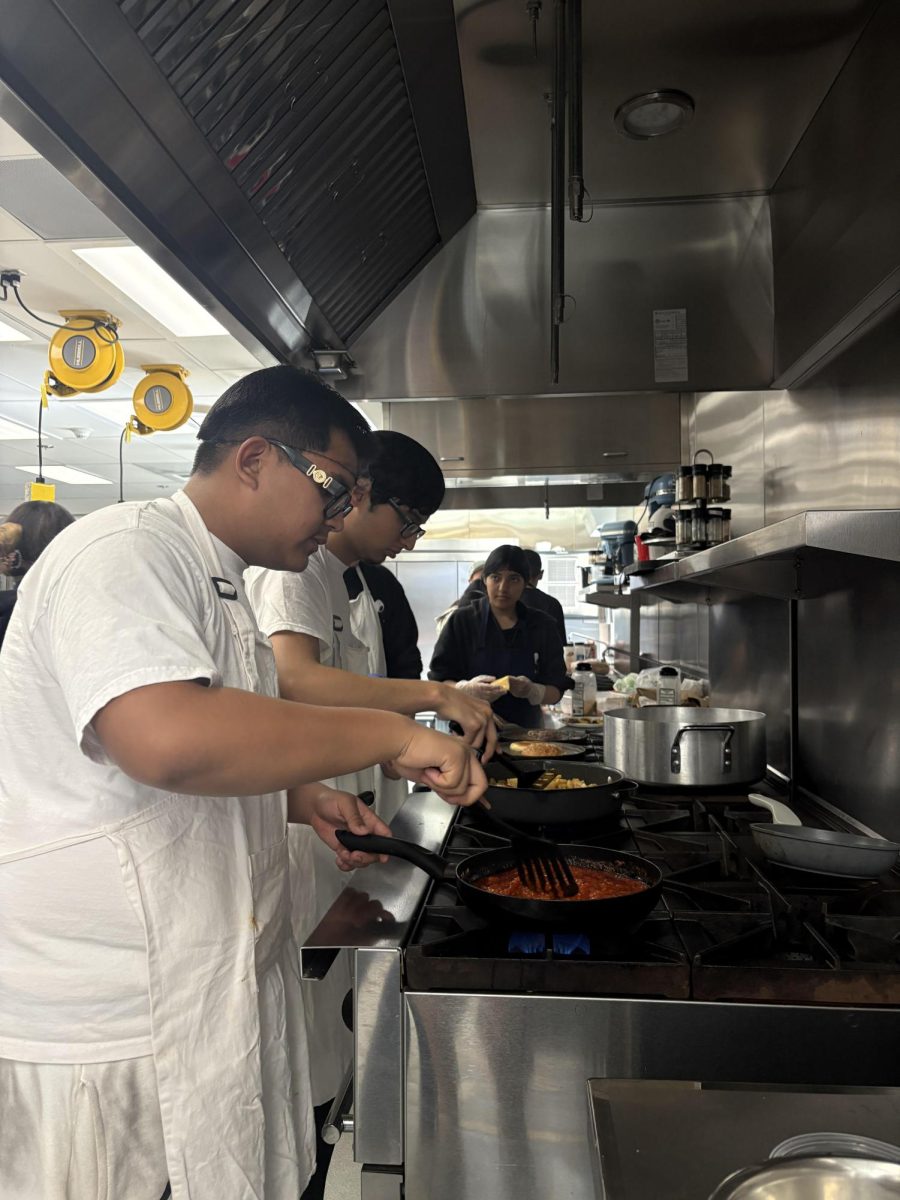
This is true for junior Petter Padilla, who has had a deep connection with food since childhood. During his childhood, Padilla’s parents would take him to get his food from his favorite fast food place as a form of apology. He is currently enrolled in the culinary class on campus, expanding his cooking skills.
“When my parents and I would get into arguments, after they would take me to McDonald’s or somewhere I liked, and they would tell me, I’m sorry in that way,” Padilla said.
In a world that may sometimes feel disconnected, the act of sharing a meal can remind people about community and reconnect them in unity.
![Members of this year's prom court after the prom fashion show on April 19 April 19. “The fun part, like homecoming and stuff, that is like the movies, they have prom and stuff, announcing prom queen [and] prom king,” senior Stephanie Perez said.](https://wchsinsight.org/wp-content/uploads/2026/05/40FC9FA0-2E0E-4D8A-A044-BBC0E7A131A0.jpg)