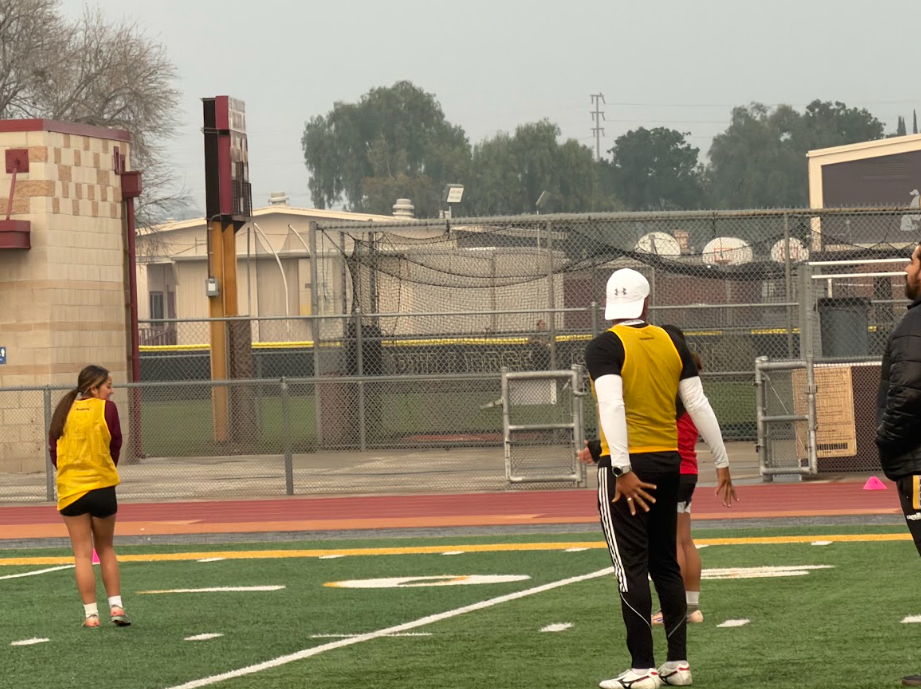
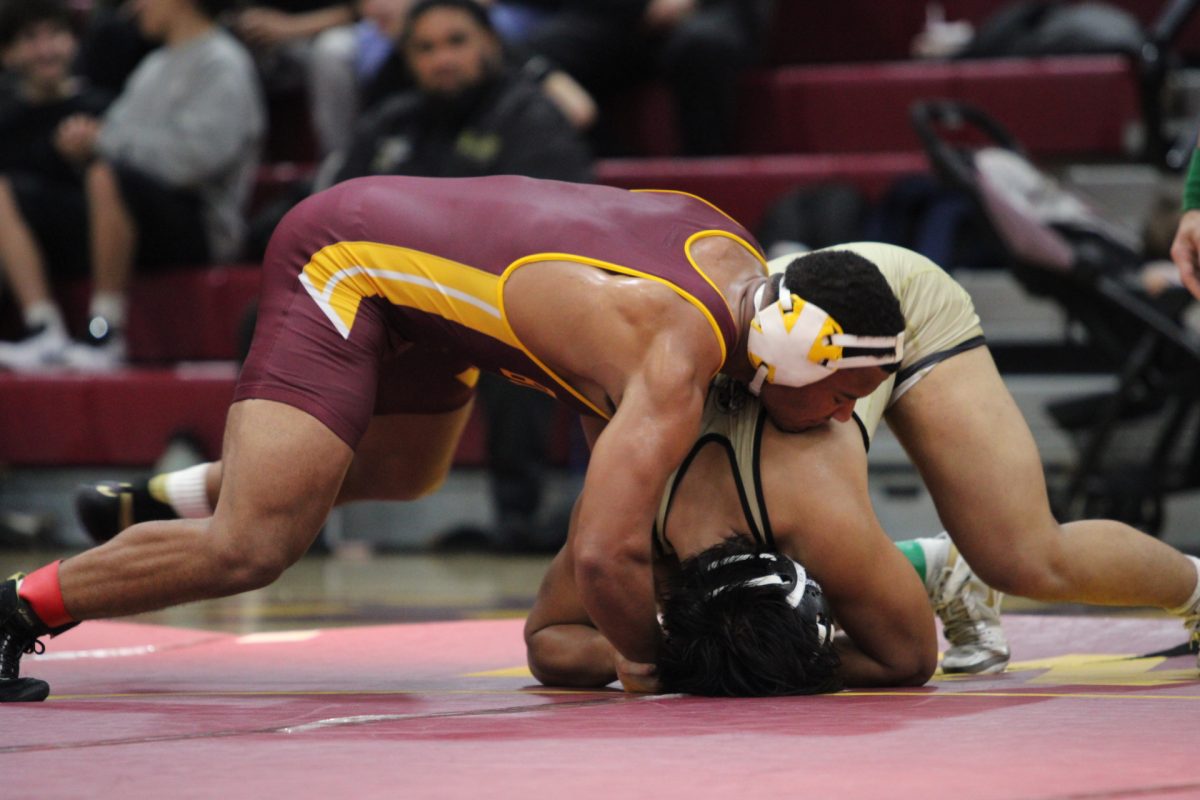
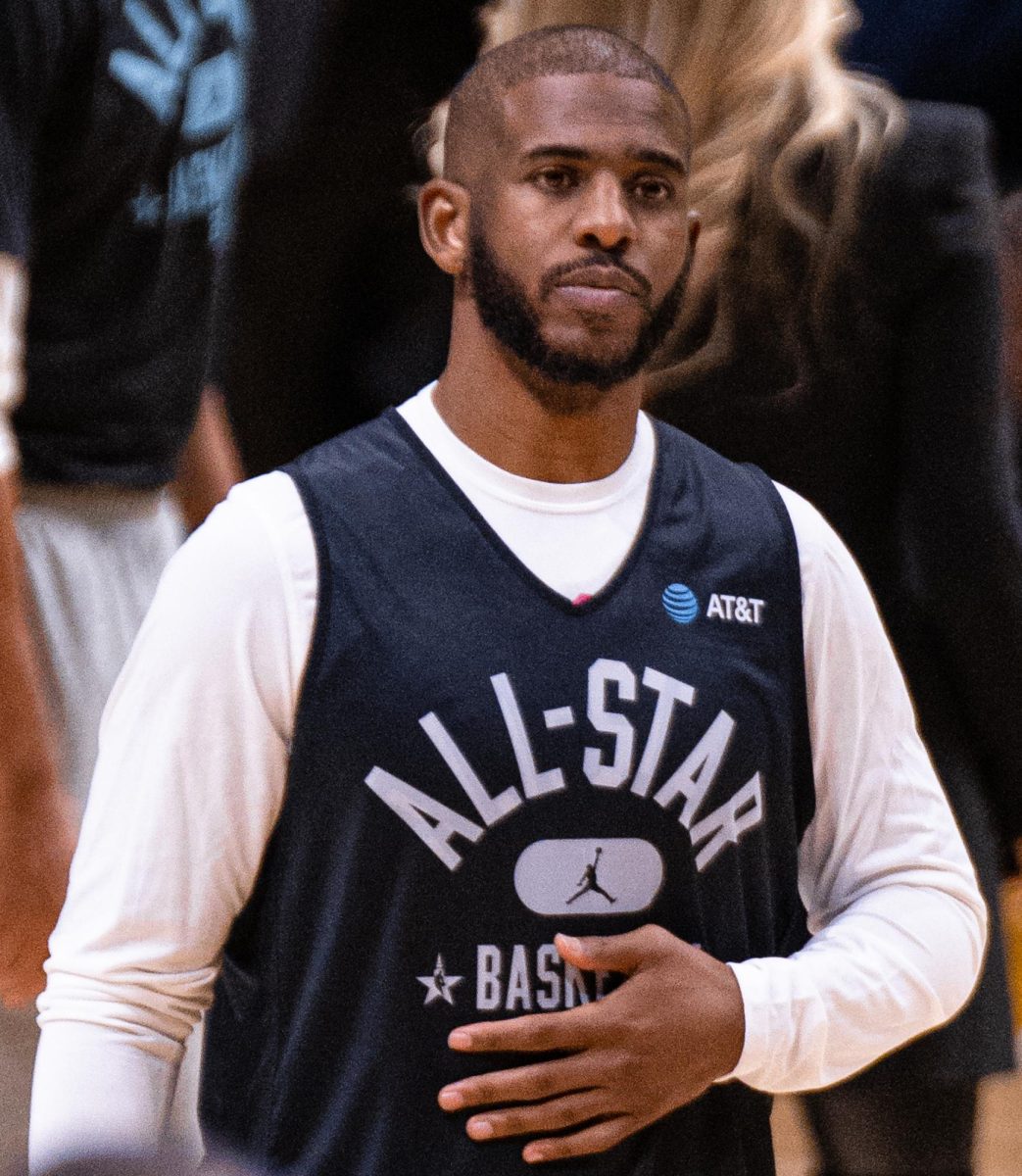
Student athletes face one possibility when they decide to play their desired sport the risk of injury.
After athletes suffer through injuries, they could start to develop post-traumatic stress disorder (PTSD), which leads them to be more careful of their actions before a play or during practice.
Senior varsity offensive lineman Michael Ortega explained part of the thought process before his games.
“It definitely puts stress out there knowing that one more really could end it all, and you just have to go out there and try to be as safe as you can,” Ortega said.
Injuries are unpredictable so players can’t determine going out to the game and possibly achieving a beneficial play but a risky decision in the game that could alter their season or even career. A hit to the head or another player falling and landing on someone’s ankle. To prevent that, there have been changes to national leagues’ rules and equipment to better protect the more injury-prone.
An example comes from the National Football League (NFL) development of helmets to have better padding, better protection of the face and overall better protection for the brain.

It isn’t a rare occurrence to be injured while playing sports. An article by hopkinsmedicine.org reported the rate of injuries that happen to children playing organized sports.
“In the U.S., about 30 million children and teens participate in some form of organized sports, and more than 3.5 million injuries each year, which cause some loss of time of participation,” the article stated.
Sometimes athletes aren’t as concerned about the injury itself, but more about receiving news that they cannot play for days, months or even years. Athletes are concerned about the seriousness and how much time this can take away from their season.
“It depends on when I receive the news, because it’s almost towards the end of the season and I can’t play the last few games with my brothers. It’s really heartbreaking to know that if I were to get injured at the beginning of the season, I know that I still have to come back and live out with them for a few more weeks,” Ortega said.
To prevent students from missing out on years of playing their sport caused by injuries, coaches create drills for players to strengthen muscles. Sophomore basketball player Nicole Torres explained that coaches with their mindset and physical well-being.
“They just tell me to be calm whenever I’m playing and try not to do too much to push over my limits… When we’re in the weight room, we’ll try to strengthen our ankles and also our knees,” Torres said.
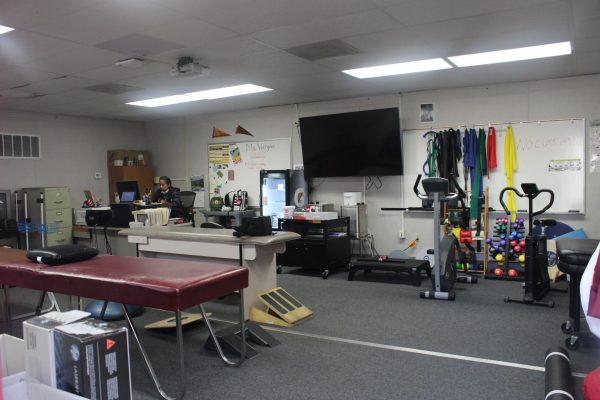
Even though they must strengthen their muscles before practice, some believe it’s even more important to undergo physical therapy. Freshman varsity girls flag football and soccer player Summer Clairmont recently tore her anterior cruciate ligament (ACL) and gave examples of what that physical therapy includes.
“Taking ice baths, stretching and lots of stretching, like I can’t exaggerate how important it is to stretch,” Clairmont said.
(Daniel Montes)
Overall, the impacts of injuries are far more serious than just the physical aspect that is seen with the blind eye. It affects players’ full well-being as a person. This is why it has come to a conclusion over the years to make sports as safe as possible.