Collectible figures have been popular for children to grown adults, and people continue to buy and grow their collections as a hobby. Different collectibles like action figures and blind boxes, sealed packages that have mystery items; including Skull Panda, Labubu, Funko Pop, Legos or Nom Noms.
Despite how enjoyable collectible figures can be to own, they can lead to overconsumption and have created a mass financial revenue. According to PR News Wire, a global news publication press release distribution partner, “global toy collectibles market was valued at $26.4 billion in 2024 and is projected to reach $48.9 billion by 2034. The total market for the segment is around $52 billion which includes overlap between toys and figurines industry.”
A large supply and demand is created because of resellers on platforms like eBay. Items like the Secret Labubu from Big Into Energy series, Lego Star Wars Ultimate Millennium Falcon and Funko Pop Vinyl Ghostface figure can cost $220-$1500 from resellers on eBay. However, not only do resellers inflate prices, which causes high supply and demand, but so do tariffs, a tax on goods from another country.
According to The Week, a news publication that puts together information, “The price of toys, games and playground equipment increased 2.2% from April to May 2025,” due to tariffs.
However, for senior Areanne Abigail Custodio, these tariffs do not stop her from buying her favorite series, Chiikawa, which is based in Japan.
“I’ve had my eye on it for a long time and this recently released in US,” Custodio said.
Despite this price increase, most are unwilling to buy the replica or low cost version.
“I just don’t see a point in it, I don’t know. The fake or cheaper version, so I just like the feeling of it being official. Like that’s real, genuine and it’s good quality,” Custodio said.
Junior Kendra Catalan also agrees that there is no point in buying the less cotly and replicas of collectible figures.
“I’m the type of person that, if I buy the cheap one, then I’ll be, I don’t really like it, so then I’ll end up buying like the original, and then I’ll just have to spend more money on something,” Catalan said.
“I grew up reading Harry Potter books and watching movies so having them kind of reminds me of my childhood and gives me like a comfort,” Catalan said.
Catalan collects figures like Funko Pop, she also likes small trinket collectibles. These small collectibles can be inexpensive figures, such as a keychain or a miscellaneous character. She enjoys these collectibles because she is able to show them off and carry something around with her that is also inexpensive.
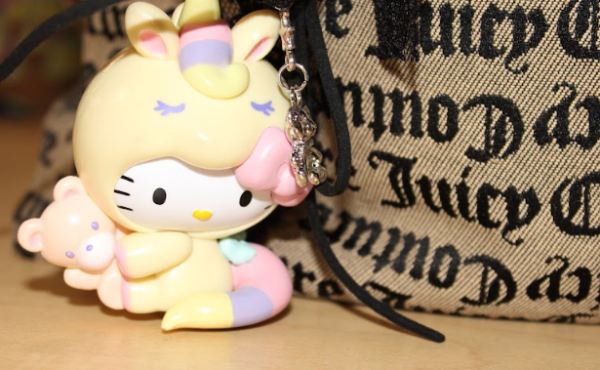
While Custodio got into collectibles because of her sisters and Catalan got into them because of her connection with memories, marketing strategies on social media inspire other people to continue buying collectibles.
“They’re valuable to me. I don’t resell them. They’re just for me,” Hernandez said.
Junior Camila Hernandez also loves her Fugglers, Rilakkuma and Domo, TikTok introduced her to them, and now she can’t get enough of them.
“I usually go to Target, and I would go ask the workers and sometimes they won’t even have them out yet. And then I keep showing up, like the days leading until they release them,” Hernandez said.
Social media is a marketing tool that uses algorithms to target people who are more likely to become interested. According to Forbes, with the use of algorithms, 80% of choices to purchase are a result of seeing a friend’s social media post.
Hernandez, who got into collectibles because of TikTok, is an example of social media manipulation, since she now goes to get new releases as soon as possible for collectables like Fugglers.
Social media is a way for companies to implement product strategies, according to Hanover Research who provide market research for organizations by research, data insights, and guidance, say “A successful product strategy allows companies to respond to evolving market dynamics, win and retain customers, and increase their profits,¨ This does not only work for collectible toys, figurines and keychains.
This works for items that become popular like Stanley tumblers. According to Analyst News, a non profit international news organization, “In more ways than one, Stanley is following the tactics of the fast fashion industry, driving an overconsumption of an item that in its own marketing language is ‘built for life.’”
Whether it be Stanley or collectibles like keychains, figurines and toys, marketing strategies can use social media, which can lead to overconsumption in some cases. However, it is possible to own collectibles without falling into overconsumption by buying only what you know you truly like and will mean something to you or choosing an inexpensive miscellaneous item.
![Members of this year's prom court after the prom fashion show on April 19 April 19. “The fun part, like homecoming and stuff, that is like the movies, they have prom and stuff, announcing prom queen [and] prom king,” senior Stephanie Perez said.](https://wchsinsight.org/wp-content/uploads/2026/05/40FC9FA0-2E0E-4D8A-A044-BBC0E7A131A0.jpg)