After Donald Trump entered his second term as president, there have been speculations about media censorship in the United States. According to RSF.org, an international non-profit organization that defends press freedom, on October 31 2025, Trump’s administration revealed new restrictions to journalists working in the White House. These rules took effect immediately after and prevented journalists from entering the second-floor offices without an appointment.
The Trump administration made various efforts to censor media outlets that disagree with their views, such as their immigration policies. For example, in 2025, ABC suspended comedian Jimmy Kimmel’s late-night show “Jimmy Kimmel Live!” following pressure after the comedian made comments about conservative activist Charlie Kirk’s murder, saying ¨“With all these terrible things happening, you would think that our president would at least make an attempt to bring us together, but he didn’t. President Obama did. President Biden did. Presidents Bush and Clinton did, President Trump did not. Instead, he blamed Democrats for their rhetoric.”
Following the suspension of his show, Trump posted on Truth Social, a social media platform owned by Trump Media, “Great News for America: The ratings challenged Jimmy Kimmel Show is CANCELLED, Congratulations to ABC for finally having the courage to do what had to be done. Kimmel has ZERO talent, and worse ratings than even Colbert, if that’s possible.”
Journalists also face obstacles while trying to report on issues and interviewing White House officials. Georgia Fort, an independent reporter from Minnesota, went to cover a protest at St. Paul Church. Federal agents later arrested her at her home in front of her three children.
According to The Guardian, she began a livestream and said to her audience, “As a member of the press, I filmed the church protest a few weeks ago, and now I’m being arrested for that. It’s hard to understand how we have a constitution, constitutional rights, when you can just be arrested for being a member of the press.”
Kaitlan Collins is a reporter for CNN who interviewed President Trump about the Department of Justice’s files about Jefferey Epstein and his victims. He responded by saying “You are the worst reporter, CNN has no ratings because of people like you. She’s a young woman, I don’t think I’ve ever seen you smile, I’ve known you for 10 years. I don’t think I’ve ever seen a smile on your face.”
Various protests have been organized; however, the latest “No Kings Protest” did not receive as much media coverage, despite having an estimated 8 million people participate. It became one of the biggest protests in U.S history. The Tufts Daily, a student newspaper from Tufts University, expressed, “It’s becoming increasingly difficult to access news updates from the media without corporate interests. Instead, people turn to social media, where protest attendees post TikToks about their experiences.”
Following the Trump administration’s decision to enforce ICE, there have been numerous deaths in detention facilities and killings by their agents.
According to NPR “Twenty-nine people have died in ICE custody since October, the start of the federal government’s fiscal year, already surpassing 2004’s toll of 28, the previous record, according to government data.” Renée Good was a 37 year old mother and a U.S. citizen shot and killed by ICE agents in her car. Alex Pretti was a 37 year old nurse who was also killed by ICE agents. 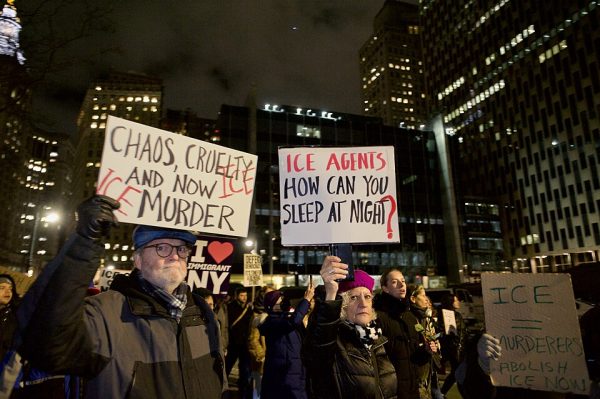
These two stories made major headlines.
Keith Porter, a 43 year old African American man, was killed by an off-duty ICE agent outside of his apartment in Northridge, California; however, his story didn’t make major news. According to The Progressive Magazine, a reader-supported, nonprofit, independent news organization, “Porter’s death went largely unnoticed. For weeks, it did not dominate cable news panels, spark congressional hearings, or generate sustained nationwide protest.”
Media censorship is not new in the U.S.; however, following Trump’s escalating critques on media and arrests on journalists, it leaves Americans wondering how much is really being self censored due to pressure from Trump’s administration.
According to The Fulcrum, a digital news organization focused on electoral administration policy, Seth Stern, chief of advocacy at the Freedom of the Press Foundation, said, “We will never know how many stories we didn’t read about because a journalist decided to self-censor, or a news outlet decided to self-censor.”