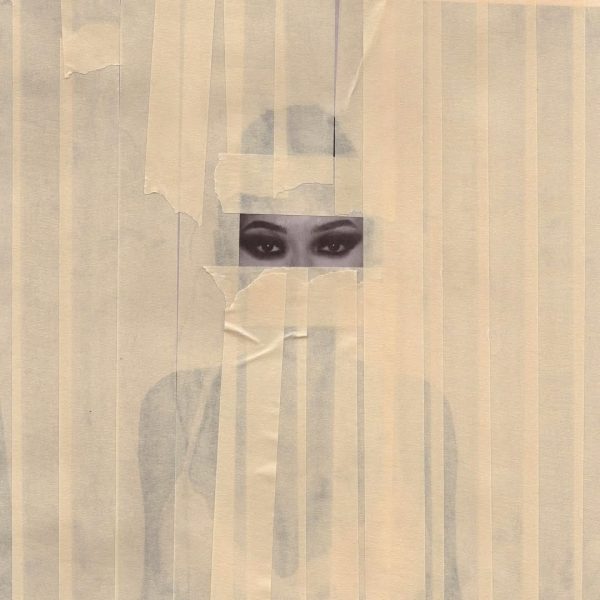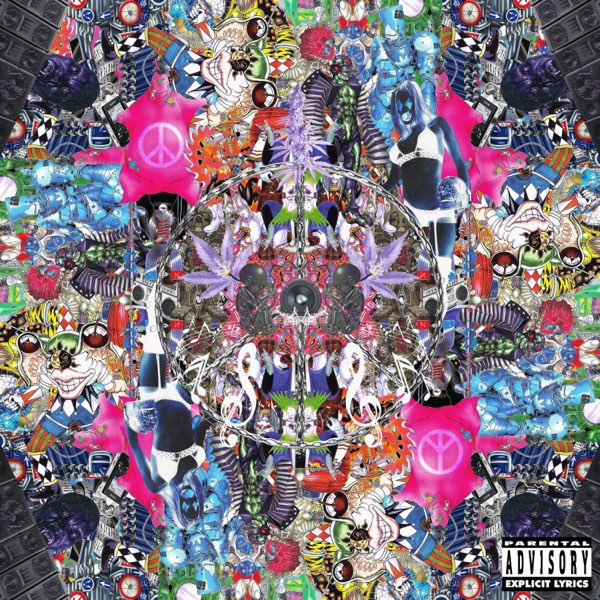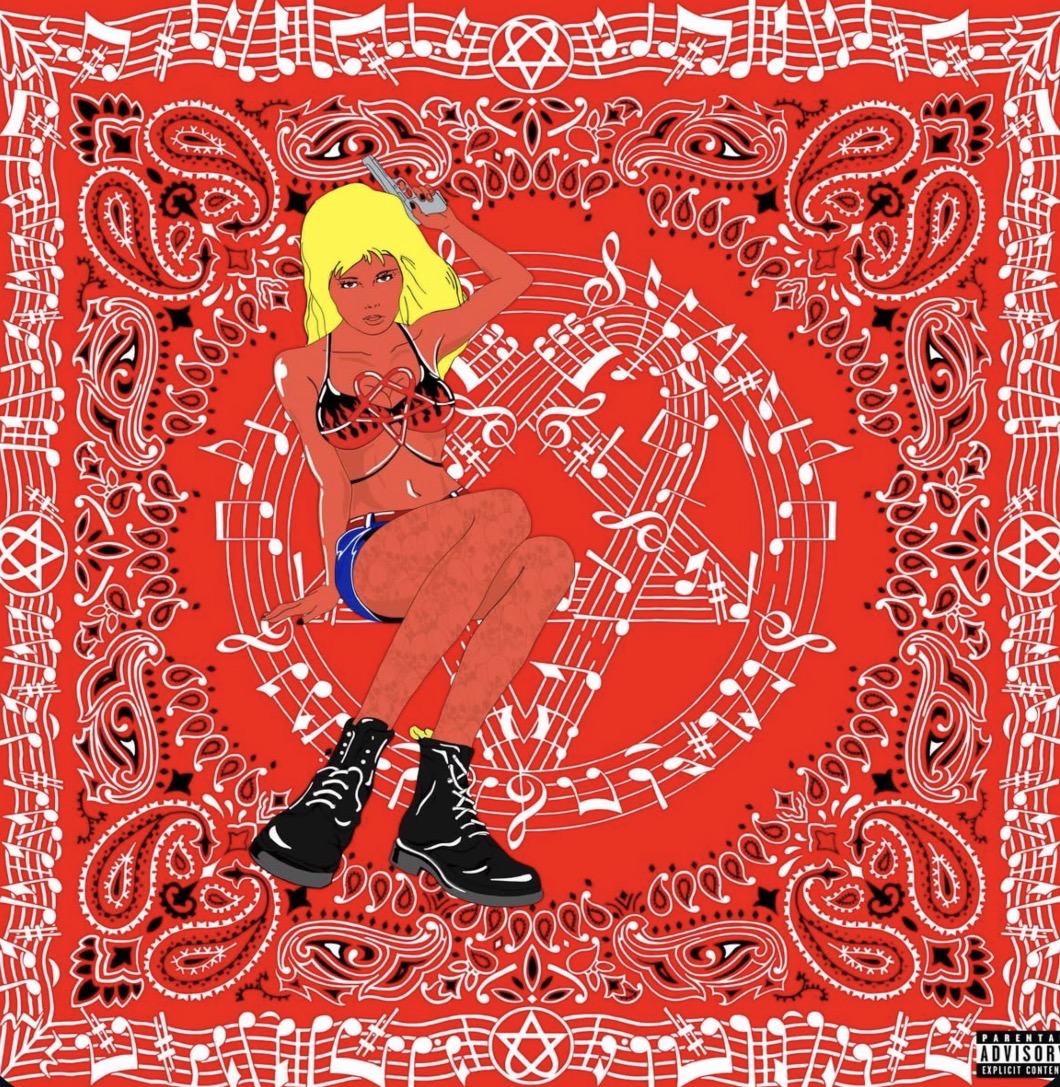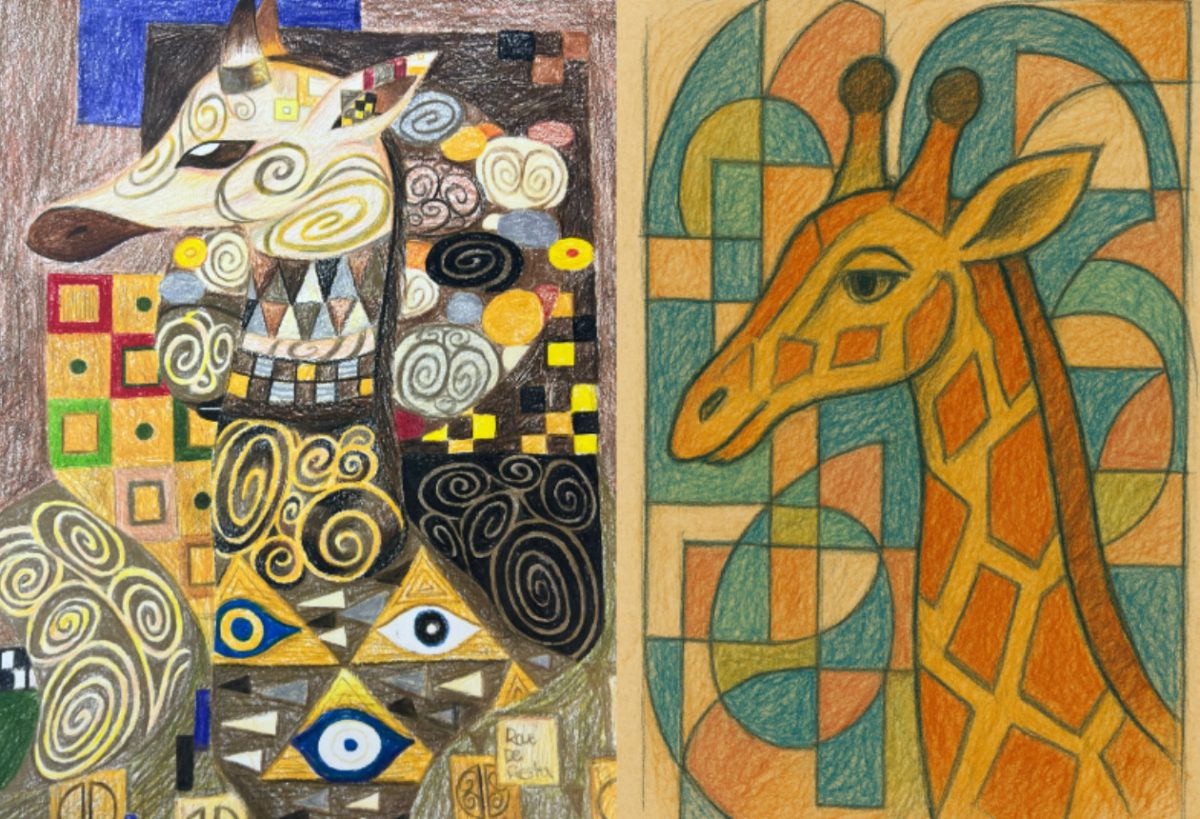
Correction: The credit of the artwork was incorrectly attributed. The artwork belongs to Drizzle De Fiesta. We apologize for the error.
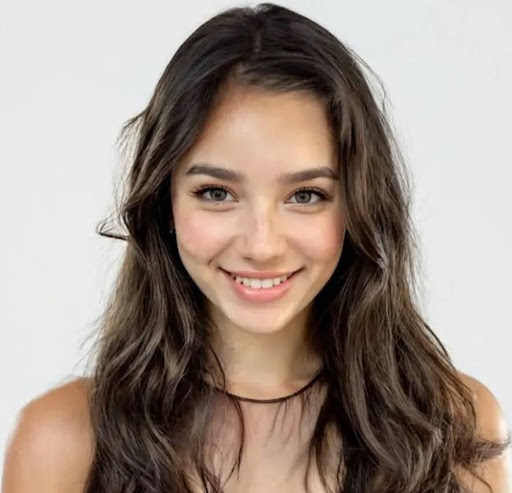
Beginning in 2022, the public has seen generative artificial intelligence (AI) rapidly rise in popularity due to its unmatched abilities of instantly generating content that vary from baking recipes to fictional stories. As it does so, it also continues to take over more of the entertainment industry, now being able to generate stories, paintings, and even an entire actress, known as Tilly Norwood. AI’s continuous growth has allowed it to produce these things in seconds, whereas for humans, it would take much longer. This has brought up the conversation of predicting how AI will continue to affect those with high creativity, and what all artists alike believe the future holds.
OpenAI, a research and development company that creates generative AI models for the general public to use and benefit from, created new products such as DALL-E 2 in April of 2022; a software that allows its users to make images, drawings, and short videos by typing in a short prompt of what they want. Along with that, ChatGPT, in November of 2022, performs similarly; however, it’s mostly intended for thought-sharing and helping with tasks.
Both of these generative AI models allow their users to create an image or fictional story if they want to, only requiring a 50-word prompt or so, and only takes a maximum of a few seconds to generate. This could potentially create issues for students who want to spend their time drawing, writing, etc., if they are in competition with machines that could produce a similar product in a fraction of the time.
Some artistic students who take classes such as art I, art II, art III, studio art, and creative writing, practice in order to assemble something they’re satisfied with, whether this looks like someone doing traditional drawings, writing a novel, or practicing their script for a play. It can take time and requires the willingness to put aside time for their hobbies.
“There’s no human component. You need the human component. You need the human heart, you need the human experiences,” creative writing and English teacher Kim Whitten said.
Generative AI is trained on real-life artworks in order to function. This means that when someone types in their prompts, even if they don’t ask the AI to reference an artist’s style, the AI will still scan the internet to find something to build off of, even if it is without notifying either the person generating it or the person whose art is used to train the AI.
Open AI’s help center stated, “OpenAI’s foundation models, including the models that power ChatGPT, are developed using three primary sources of information: (1) information that is publicly available on the internet, (2) information that we partner with third parties to access, and (3) information that our users, human trainers, and researchers provide or generate.”
However, the overall effectiveness of this is varying, considering there could possibly be artists who aren’t even aware that their artworks are being in such a way, thus not being able to opt out of Open AI’s system.
Those who are seeking to join the entertainment industry are now facing challenges as there are machines capable of doing what they do, but for free.
“The people are wanting to write scripts and write movies. I don’t know, they would have to find something else to do. Like, they wouldn’t be able to do the thing that they love,” senior Arielle Chavez said.
Teachers are still working on figuring out how to adapt to these new developments in technology, attempting to find a balance between keeping art traditional while also allowing students to utilize these new tools.
“I think it could be used, because there are some artists that are doing some really great work with AI, creating AI-generated artwork. So, I just think it’s about learning how to use it as a tool that can, like, you can be. I’m using it as a tool to get where you run,” advanced art teacher Christine Schwandt said.
Whether or not a teacher decides that the use of AI when a student is developing their talents is alright to do, generative AIs are seemingly here to stay for the foreseeable future, and teachers and students alike will have to adapt to keep up with it.