When walking onto campus, every student will have different interests and aesthetics, as shown through decorating their bags, phones or water bottles. Oftentimes, decorated bags are meant to show off special, gifted sentiments given by friends or family members.
A keychain and a water bottle are the most commonly owned items. These objects are carried almost daily, personalized to the person’s tastes, almost like a declaration of ownership or a way to make their personal items recognizable.
One such case, senior Raylene Guadron, has a variety of keychains from Japan placed on her backpack and some at home. These charms express her interests in games and characters outside of school that others would not know about her from the way she looks and dresses daily.
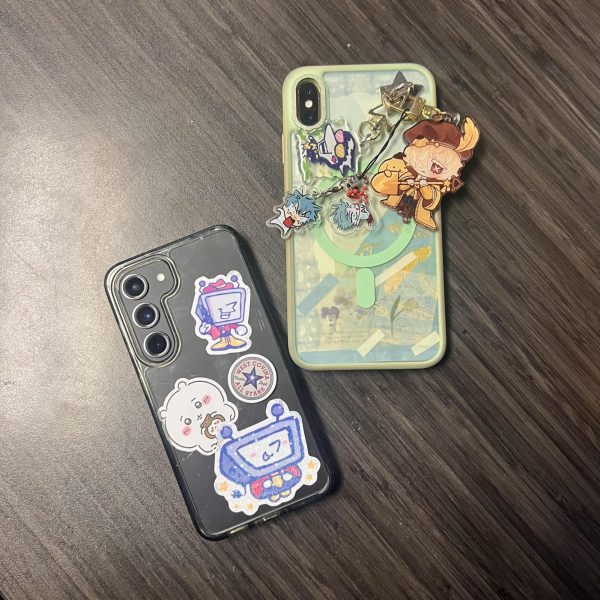
“I feel like these items express my interests a lot. They show off what I do, who I am, just small little interests in my personality that you wouldn’t see otherwise, because a lot of people probably wouldn’t tell that I enjoy certain shows or genres without looking at the pins, because I dress pretty basic,” Guadron said.
Theft can occur when someone is not looking, and some students show concerns about their belongings, especially charms that aren’t secured, being taken away when least expected. Some have concerns about losing these keychains due to their sentimental importance, being gifts from friends or events they have been to.
“I don’t carry them on my bag personally, because I’m scared someone’s gonna steal them. Because that happened to my brother, his two pins got stolen when he was in the lunch line. And I’ve been very afraid that’s gonna happen to me,” Guadron said.
Owning items that were difficult to get and not sold in the United States, Guadron’s concerns are losing these items and memories from the time she had been to Japan. So as a way to keep her things safe, she kept most of those keychains at home.
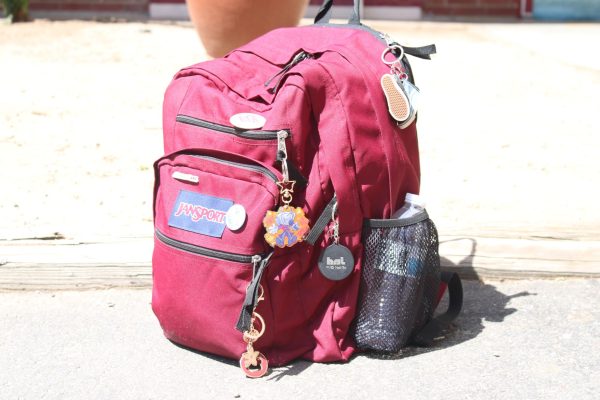
For other students, their concerns aren’t from their keychains being stolen but from them falling off due to a broken ball chain or unsecured clips.
“I’m not scared of them getting stolen. I’m scared of them falling down, because the things can get really weak for no reason. So I put my fish keychain that I couldn’t really put it on, so I had to put it with the lock,” Anonymous said.
With the rise in popularity of Japanese media over the years, some students buy and collect official merchandise produced by the creators or fan artists. One such popular company, Sanrio, has various recognizable mascots and characters turned into everyday merchandise. Items such as pencil bags, plushies and mugs are sold to consumers and are seen anywhere. Especially on campus, they have become increasingly popular decorations on bags.
“I have a cinnamon roll keychain on me and a couple of other pins, one from a game that I really love. Another from, like, a manga I love to read,” senior Damien Rodriguez said.
Ways to prevent issues like a loose ball chain include buying ball chain protectors. Another precaution is to use safety pins to pin together. A present problem that has been brought up is the expenses of personalized belongings, which include the costs of these decorations raised due to a character tax, a slang term used for the inflated price of merchandise such as figures, plushies or keychains based on the character’s popularity.
“The ID holder was 12 bucks, so it was so much compared to normal ID holders, it was a lot,” Anonymous said.
Despite the costs and worry about their keychains being lost or stolen, students still work hard to earn money and buy these decorations to show who they are and be able to show off the things they enjoy. Keychains are made to show the sentimental value of either vacation trips or gifts from people in close circles. They are also a way to show appreciation for the work artists put into making the keychains they own.