Last Monday, the school district hosted a Virtual AI Bootcamp for students in grades seven through 12. The program focused on improving study habits using AI, featuring a live Zoom session from 11 a.m. to 12:30 p.m., with 15 people in attendance and rebroadcasts scheduled for the following two days.
The session represents part of the initiative the district has in integrating AI across its operations this year in partnership with AI InnoVision, a Florida-based AI consultancy and education firm. Superintendent Emy Flores had encouraged the use of AI in the district’s offices, and AI use is seen as a way to lessen the burden on staff.
“Used with care, AI can be a real support in the office. From drafting communications and organizing information to accessing data more efficiently, managing deadlines, translating messages for families, and reducing repetitive tasks that take time away from people and precision, it can ease the load. This is not about replacing people, but rather about giving time back and supporting accuracy, care, and service,” Flores stated in a LinkedIn post.
The initiative, which began with providing AI training to lessen “‘busy work’” for staff and teachers, had now extended to students and families with this bootcamp. For some students, the bootcamp is seen as a way to instill responsible AI use in the classroom and prepare them for a future shaped by technology.
“Personally, I think it’s a great idea since there’s not really an ethical use of AI among the students currently. So if we do establish a bootcamp that teaches students how to effectively and ethically use AI to help with their assignments, I think it’s a great idea,” junior Michelle Chen said.
As AI becomes more common, students report using it to streamline work and save time, similar to the benefits Flores described. For Chen, AI is seen as a “secondary teacher,” and its role in learning may expand as students find new ways to interact with the technology.
“The only reason why students are using AI is because it’s more efficient,” Chen said.
Relying solely on AI could prevent students from fully grasping the material, leading students to find a combination of personal research and critical thinking essential for meaningful learning. Establishing these practices is considered important for integrating AI into classroom learning.
“Just copying from AI isn’t going to improve you. It’s meant to act as a tool to help with learning,” junior Ella Wu said.
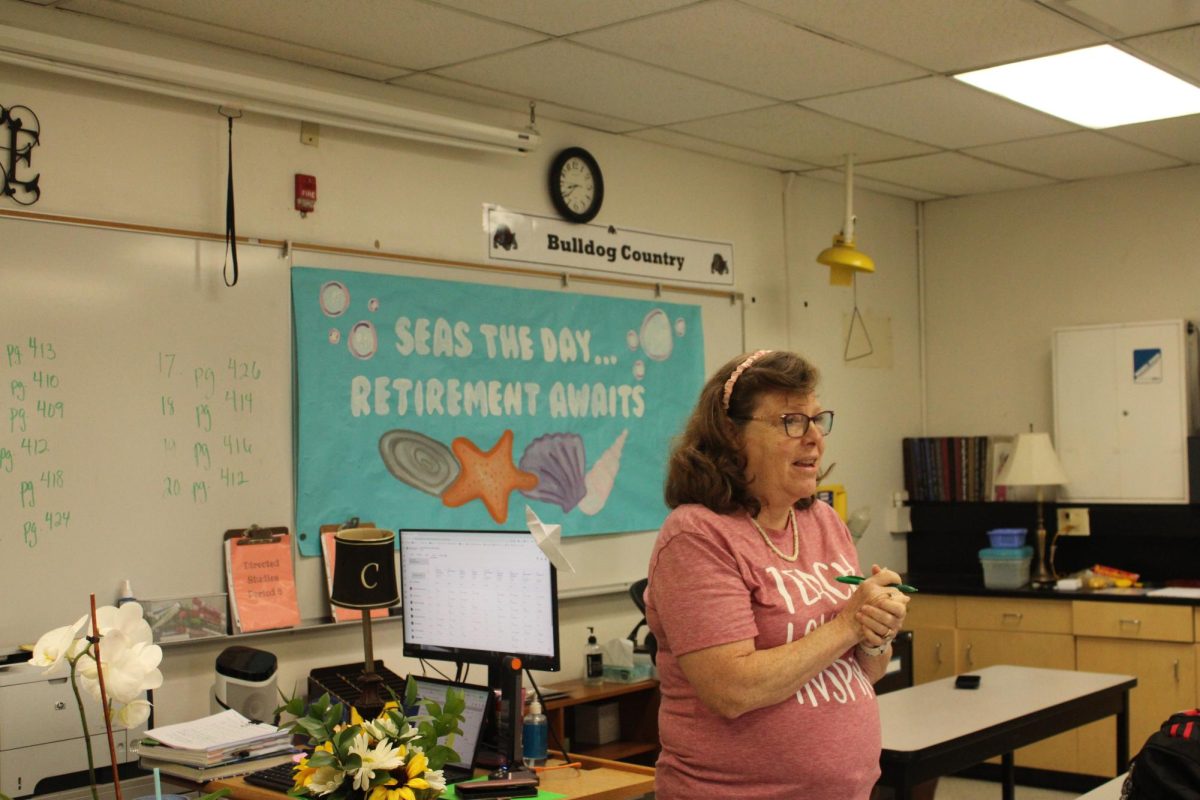
English teacher and Yearbook Adviser Stephanie Perluss expresses frustration with how it’s being integrated into schools. There’s a desire for better communication between educators and administration when it comes to integrating new technologies.
“I’m not opposed to the idea. I just wish there was a relationship with the district where we could give our input, and they could, you know, respond,” Perluss said.
For Perluss, using AI as a tool means not letting it undermine mental engagement. This raises questions about whether the “Work smarter, not harder” messaging in the bootcamp’s promotion encourages compromising critical thinking by creating a separation between the two ideas.
“You still have to be pretty smart to use AI wisely. So I just wish the language was different, the messaging was different, and more focused on critical development and not so much on ‘Here’s an easy way to get out of class,’” Perluss said.
There are challenges when it comes to maintaining a sense of ownership over student work. Teachers worry that students are bypassing critical thinking by relying too heavily on AI.
“I just would like for it not to take the place of thinking. Right now, it’s just being used for that, you know, ‘Write this paper for me,’ or ‘Here’s the prompt my teacher gave me.’ And then students are just regurgitating information that isn’t really their own. I wish every kid had the intrinsic motivation to want to produce good work, but that’s just not what we’re dealing with,” Perluss said.
While Perluss expresses concerns about students becoming overly reliant on AI and losing critical thinking skills, the bootcamp, led by AI InnoVision CEO Alicia Lyttle, was able to introduce students to a variety of AI tools for use in their studies.
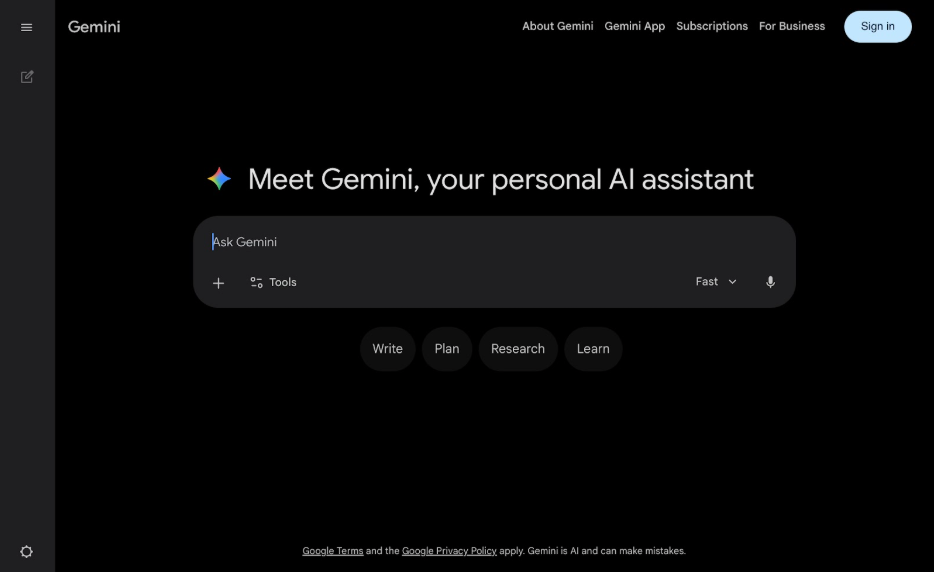
Participants first used Google Quick Draw to draw quickly before completing a plushie-making activity in ChatGPT. Google Gemini was used as a tool to create superheroes, videos, and storybooks as well.
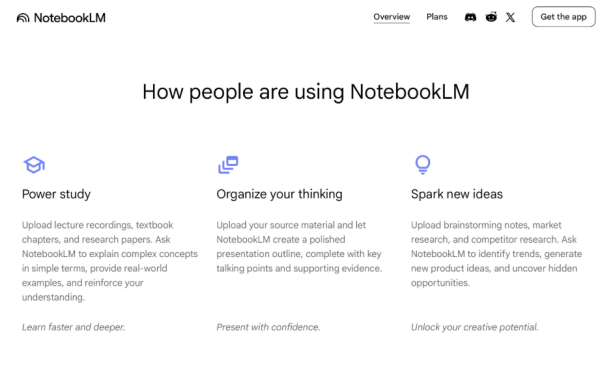
Specifically, NotebookLM was introduced as a tool to help students organize and understand their study materials. An example Lyttle gave on how to use the program was to format notes in a style similar to popular “For Dummies” books to better understand physics concepts.
“For example, I had a student who was studying for a physics exam, and he said, ‘Please, please create me notes for dummies on this physics concept.’ He uploaded it, and NotebookLM wrote it as if it was creating one of those books like ‘Physics for Dummies,’” Lyttle said.
The session concluded with reminders about the responsible use of AI, emphasizing both its benefits and potential risks. Lyttle encouraged students to be honest when using AI, to fact-check information, and to cite sources properly.
“The key here is honesty. If you use AI to enhance your work, or to help you brainstorm ideas for something like a history paper or research project, just be clear about it. Let your teacher know, ‘Hey, I used AI to help me gather ideas or research, but I didn’t use it to write the paper for me,’” Lyttle said.
Students were also advised to protect personal information when using AI. Sharing sensitive information without proper security settings. could lead to it being accessed or misused online.
“Don’t enter anything you don’t want to be shared with others. This includes personal identifiable information like your home address, phone number, grades, assignments, and so on,” Lyttle said.
They were also cautioned about misleading information that AI can produce, which was referred to as “hallucinations,” emphasizing the need to double-check AI-generated responses against reliable sources.
“If AI provides an answer, double-check it with other sources to ensure it’s accurate,” Lyttle said.
For parents, the session highlighted online safety measures, including strategies to guard against deep fakes and cybercrime. Families were encouraged to create keywords and AI agreements at home.
“If you get a suspicious call, you can ask, ‘What’s the keyword?’ to make sure it’s really your child and not a scam. This is a simple way to protect your family from potential scams… Another thing for parents and students: if you haven’t already, consider creating a family AI agreement. This agreement can help your family set clear guidelines around AI use.”
AI continues to expand in education, with both opportunities and challenges as identified in the bootcamp. Students and parents are encouraged to balance efficiency with ethical decision-making.