Caffeine is one of the most widely consumed stimulants in the world, according to an article by Science Direct, a website dedicated to exploring medical research. It is consumed in daily drinks such as coffee, matcha, tea, soda and energy drinks. People consume caffeine on a regular basis to feel a boost of energy or motivation to start their day.
According to an article by The Sleep Foundation, a website with sleep specialists that delivers science-backed insights into sleep health, caffeine works by stimulating the nervous system; when a person consumes it, it blocks adenosine, a sleep-inducing chemical. Adenosine is produced in the brain during our waking hours, and builds up in the brain the longer you are awake
awake. When someone drinks caffeine, they will feel much more alert and even motivated to do their tasks.
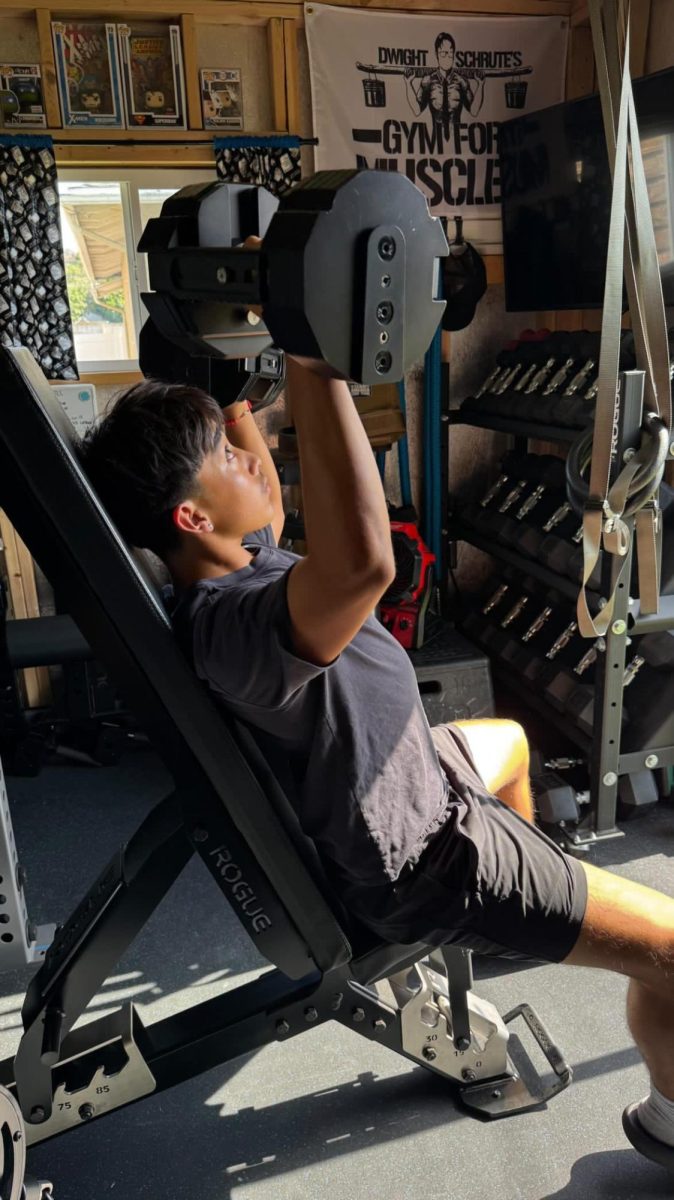
In moderation, caffeine can improve someone’s mood, alertness, and overall energy levels. It boosts adrenaline levels, improving performance during exercise. Student athletes may consume caffeine before a game or practice to reenergize and enter a “work” state of mind after a long day of school and socializing.
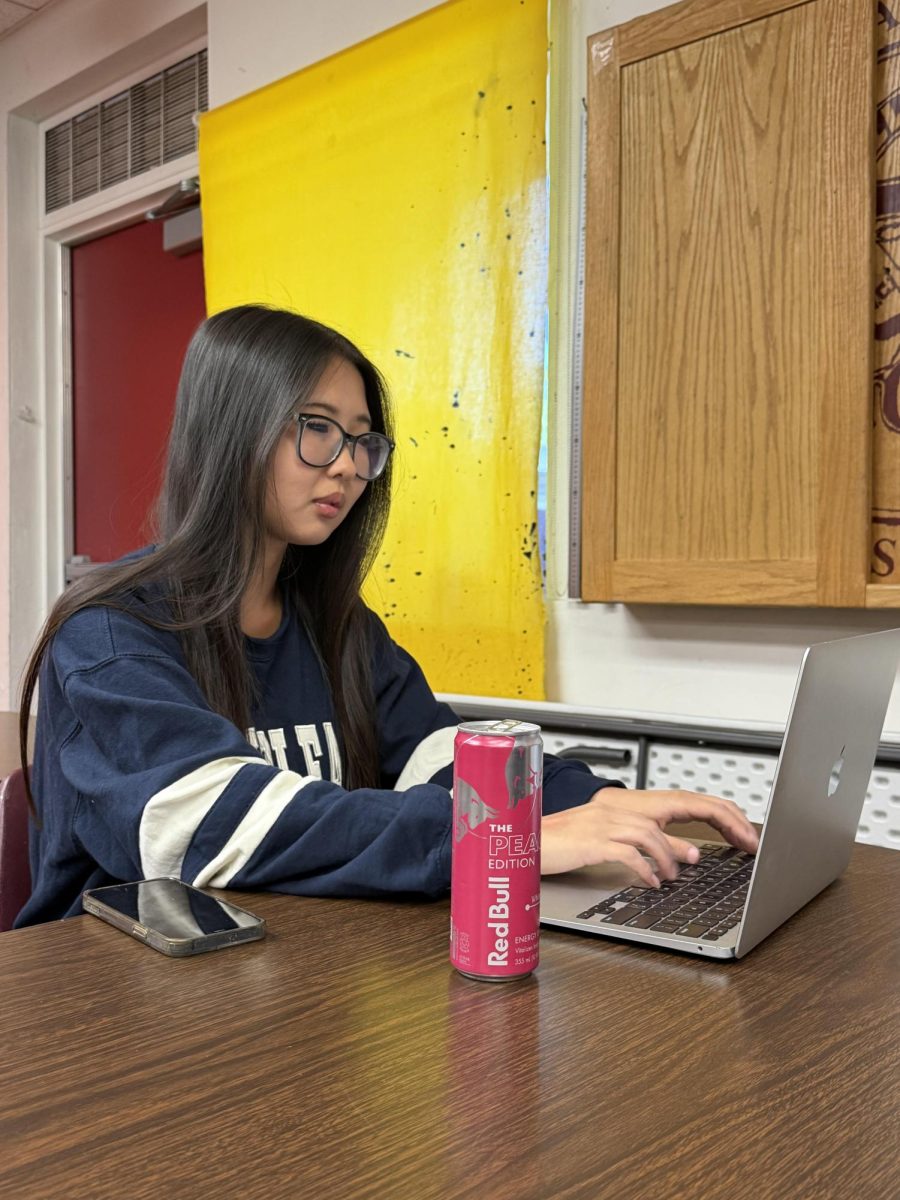
A common way of consuming caffeine by both teens and adults is drinking energy drinks, some of which include brands like Celsius, Red Bull, Alani, and Monster.
According to an article by The Swimming World Magazine, energy drinks are common among athletes facing heavy training loads, long days, and double or even triple practice sessions. By offering a quick fix for fatigue, they can seem essential for pushing through a long tournament or practice.
Although caffeine can keep a person feeling active and engaged, excess can cause health issues, including nervousness, anxiety, headaches and sleeping problems. According to an article by The Sleep Foundation, caffeine can increase heart rate and blood pressure, so to keep these effects to a minimum, moderation is recommended. The recommended dosage of caffeine is about 400 mg for adults and about 100 mg for teenagers.
Most teens get their caffeine from drinks such as coffee, matcha or energy drinks. Drinking caffeine every day can lead to dependency, drug tolerance and withdrawal symptoms.
Senior Brenna Ellingsworth has been drinking caffeine since eighth grade. Her favorite choices are iced coffees or Red Bulls. When she doesn’t drink caffeine, she is less motivated, compared to the uplifted attitude she feels after drinking her daily caffeinated beverage.
“I definitely notice a difference. I have less motivation, and I don’t to talk to people as much… I feel like it definitely helps me because
then I have energy to wake up when I have to wake up at meet by five o’clock and have my hair and makeup done,” Ellingsworth said.
A common reason teens drink caffeine is to stay up to complete schoolwork. Caffeine can temporarily provide alertness and focus when consumed, increasing alertness and inclining them to stay up for longer hours.

Junior Julie Shin was regularly drinking energy drinks, sometimes even two a day, to help her stay awake when completing big assignments. Due to frequent stomach pain, she minimized consumption to two to three energy drinks a week and prefers to save them for when they are really needed.
“There was a point where I would drink it every day of the week, but I try to limit it. I’m able to snap back into focus more easily. I don’t get as distracted. If I am staying up late, then I’ll do one at night and one in the day. I don’t try to have more than one in 12 hours,” Shin said.
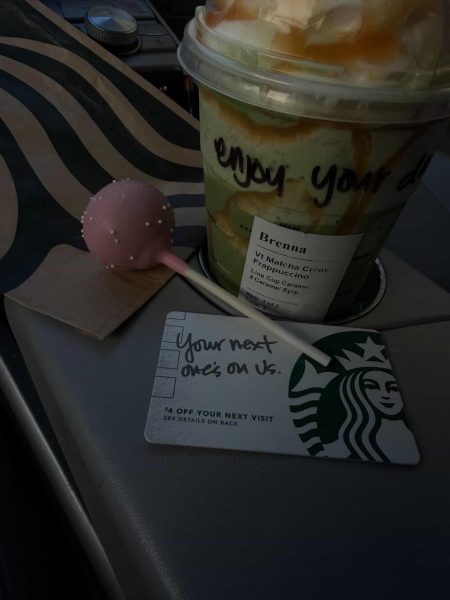
Teens may also go to coffee shops or cafes with their friends to study or focus on their homework. It has become part of the culture to find a cafe and caffeinated beverages to help students “lock in.”
Sophomore Samantha Tam enjoys drinking matcha; she mostly makes it at home, but also gets inspiration from cafe shops. She also drinks Celsius when she needs a boost of energy, typically before the gym.
“When I do have it, it brings the best part out of me, and I feel really motivated to do everything, and I don’t feel like everything is a chore. My choice would be matcha, and my other would be Celsius, but I think I drink Celsius because everyone else drinks Celsius,” Tam said.
Drinking caffeinated beverages will continue to be a part of everyday life. With busy work and school life, drinks like coffee, matcha, and soda will keep individuals more alert and ready for their day, but they should still drink caffeine in moderation.