There are a variety of chemicals found in daily foods people consume, from artificial flavors and colors to metals like lead or mercury. These are added to maintain inexpensive prices, extend the freshness, safety and taste of food. However, these additives and chemicals in food can affect people’s health unfavorably, with risks of cancer.
Heavy metals such as mercury, lead and arsenic are naturally found in soil, water and air. As the plants grow, they absorb these elements and end up in the food humans consume.
Mercury affects the organs, building up in the kidneys as well as neurological dysfunction, while lead causes irreversible behavioral effects on children. Arsenic is linked to skin, bladder and lung cancer. Furthermore, cadmium weakens the bones and, similar to arsenic, it is associated with lung cancer.
Human industrialization has increased metals in the environment. These metals are unable to break down, which accumulates over time.
According to Proposition 65 (P65), the official website for the state of California’s chemical exposure warnings law, chemicals including mercury, lead, arsenic and cadmium have been discovered in fish, vegetables and produce such as strawberries, peaches, nectarines and apples, which are also high in pesticides.
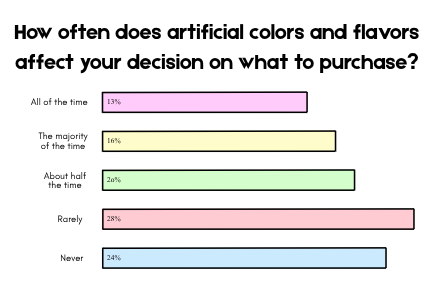
These are foods people consume daily, either with or without the knowledge of heavy metals existing in these products.
“I believe people should start checking ingredients, labels on foods, more, yeah. Not only will it give a, keep in mind people what they’re eating, but also it could help people with weight loss, especially if they don’t know what they’re eating,” sophomore Eric Nguyen said.
Additionally, artificial flavors and colors like Red 40, Yellow 5 and Blue 1 are found in candy, cereal, drinks and chips. The colors in these food are generally less expensive to produce in comparison to natural flavors, consistent in taste, color and sustain longer shelf life.
However, the youth are more inclined to consume these snacks and beverages. Some examples include Skittles, Sour Patch Kids, M&M’s, Nacho Cheese Doritos and hot cheetos, which have artificial dyes such as Yellow 5 and Red 40.
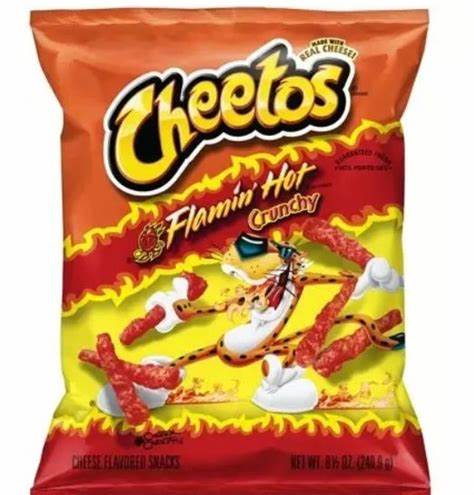
According to PubMed Central (PMC), an official website of the U.S. government funded by the National Institutes of Health (NIH), 34% of U.S. teens were found to be high consumers of added sugars, with greater intake among 12-19 year olds.
Junk food provides dopamine when consumed, causing more cravings for these chemicals. With too much intake of these processed foods, it can lead to cancer risks.
As of Feb. 2026, the U.S. Food and Drug Administration (FDA) is actively working on removing petroleum-based synthetic dyes. A list of companies that are removing artificial dyes from their food can be found on their website.
“They should fund, they should spend more funding into healthier variants of foods. I mean, instead of processed foods, we could instead opt for foods that aren’t as heavily processed,” senior Patrick Jonathan Tejano said.
Tejano mentions the government should invest into food that are less processed.
Healthier alternatives to processed foods include switching to food with higher protein and lower sugar content, which can improve human health and decrease the risks of possible issues such as cancer. Awareness of the presence of chemicals in food brings attention to the heavy metals that exist in them.