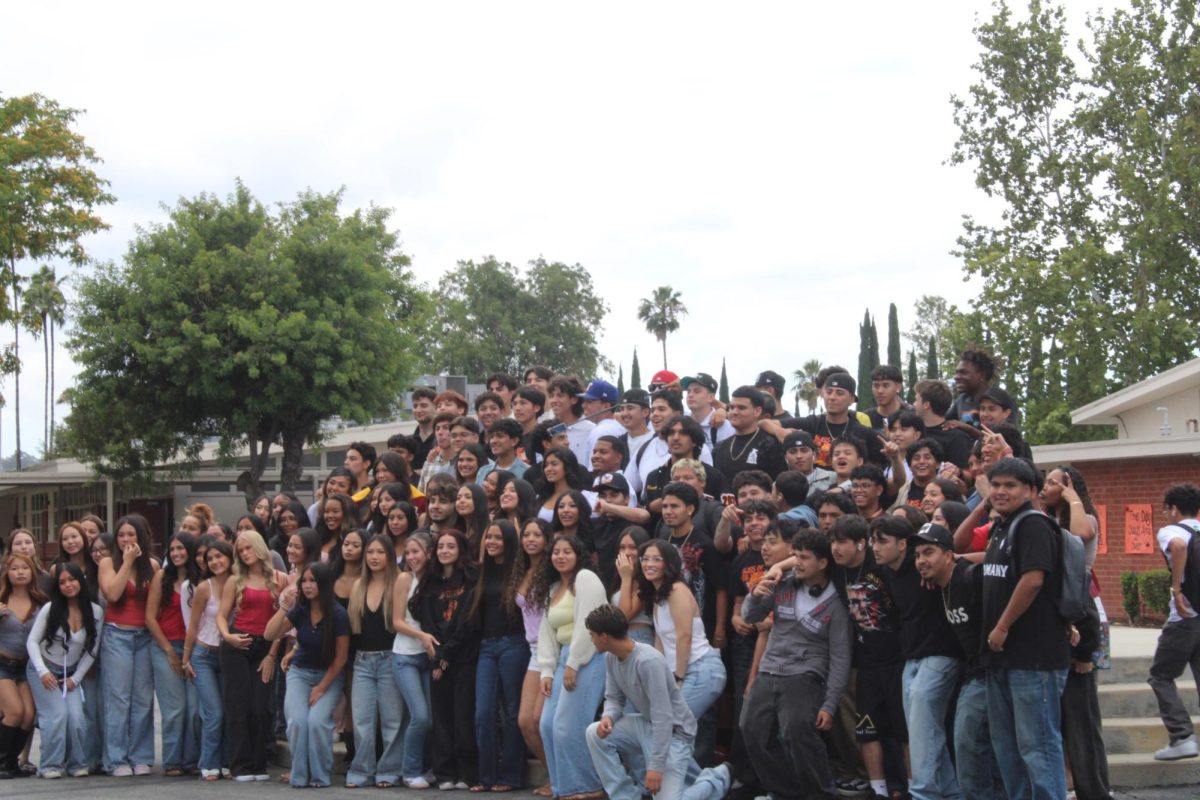
For high school students, school days are filled with classes, homework, and extracurricular activities which can quickly become overwhelming. Moving from lessons to practices to home life leaves little time to slow down. What is often labeled as “free time” really doesn’t feel free, as students juggle responsibilities that carry into late nights.
High school students often take on tight schedules not because they have to, but because they feel they need to. With college applications becoming more competitive, many believe strong grades, sports and extracurriculars are necessary to stand out. For others, staying busy provides a purpose. Slowing down can feel unproductive, as if free time is being wasted instead of used to prepare for the future.
Senior Christopher Tate said the word “busy” can mean more than just having a full schedule.
“When I say I’m busy, it either means I don’t really want to interact, or I actually am busy,” Tate said.
For Tate, being busy is structured and intentional.
“Being busy means I have a schedule set where I have specific tasks I need to complete throughout my day, and I just get them done,” he said.
Even so, productivity can come with pressure. Tate said he sometimes feels guilty when he is not being productive.
“Yes, I do because I feel like at times I can be lazy or slack off on important work that I’m missing out on,” he said.
That guilt does not always come from unfinished work, but from the feeling that there is always something more he could be doing. Even in moments of rest, they can feel undeserved. To Tate, when tasks remain unfinished, relaxation can turn into self-criticism.
“I think most of it is psychological. You have to actually get up and do the work…Sometimes parents can give you a hard time, and school adds pressure because we have a lot of work. You just have to get up and do stuff even when you don’t feel like it,” Tate said.
That internal push can lead students to take on more than they can handle. He said there have been moments when he agreed to something even though he already felt overwhelmed.
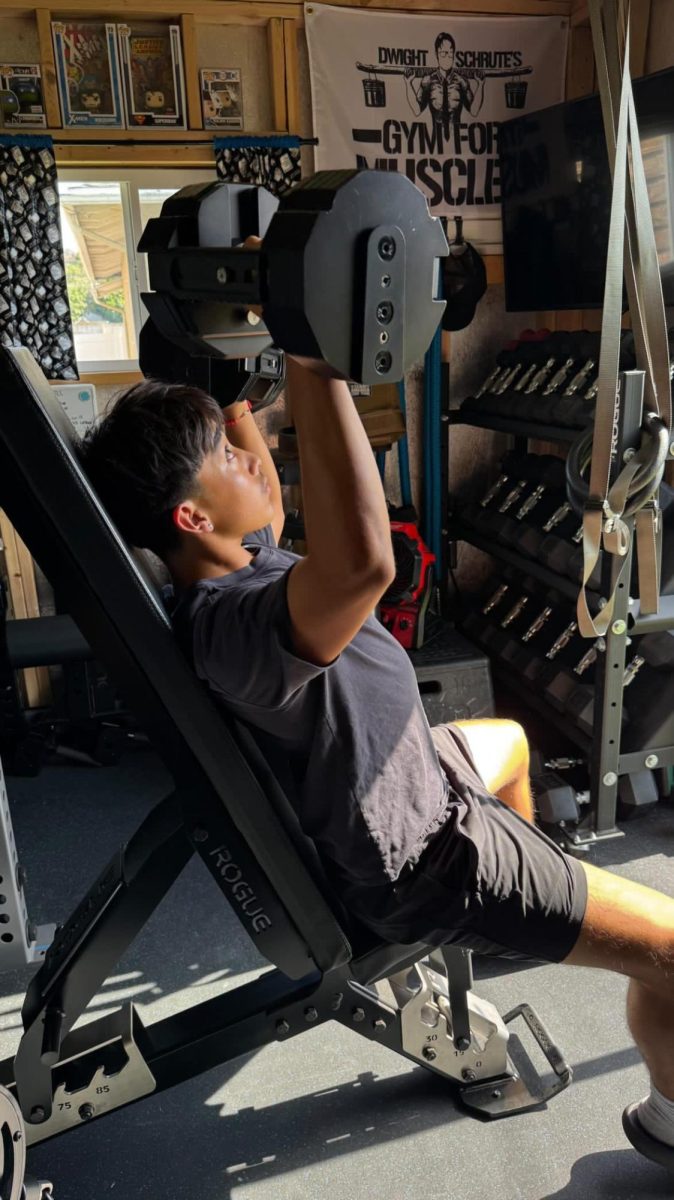
“One time I really didn’t want to go to the gym. I was really tired and had a long day, but I still went because I felt like I should,” he said.
Junior Lily Duarte said balancing school, volleyball practices and friendships can also create feelings of guilt.
“I do feel guilty because I feel like I should be doing more. Sometimes I have a lot going on, but I still want to make time for friends. Even if I’m tired or have homework, I’ll say yes to hanging out with them just because I don’t want them to feel bad,” she said.
Her response shows that the pressure she feels is not only about schoolwork, but about maintaining relationships. Even when she recognizes that she is already overwhelmed, she still feels responsible for meeting social expectations. For Duarte, staying busy becomes a way to avoid disappointing others.
Family expectations can add another layer of stress.
“If I’m not doing anything, they’re always asking me when I’m going to start doing something,” Duarte said.
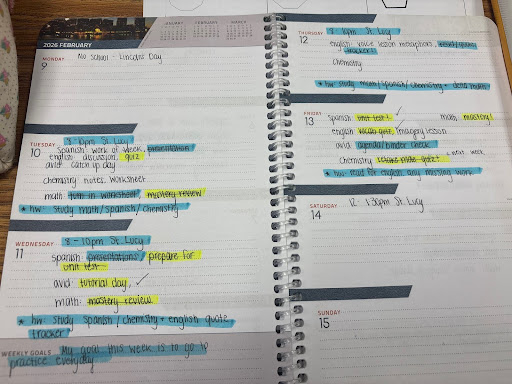
Duarte said she organizes her day around her practice schedule. On days she has practice or games, she tries to complete homework beforehand so she is not up late finishing assignments. If she cannot finish everything before practice, she said she completes the rest later that night after returning home. Planning ahead helps her keep up with everything that needs to get done while still making time for friends when possible.
Students said staying organized is one way they try to keep up with expectations. Keeping track of assignments, practices and other commitments requires careful planning, especially when they feel there is little room to fall behind.

A text message exchange shows a student describing a packed schedule filled with clubs and tutoring, reflecting the pressure high schoolers feel to stay busy.
(Sebastian Cisneros)
By keeping a schedule of homework, practices and other activities, they try to manage the pressure that comes with balancing multiple responsibilities. Planning ahead, deciding which tasks to complete first and sometimes agreeing to extra responsibilities only when they fit into the day are ways they attempt to stay in control of their workload.
The experiences of Tate and Duarte show that the pressure to stay busy does not only come from full schedules, but from expectations placed on them by school, family and themselves. Each student described feeling like there is always something more they could be doing, even when their day is already full.