As the months pass, the holidays and Thanksgiving break near, but for some students, it also means the resurgence of seasonal depression. Seasonal depression is a type of depression that is related to the changes in seasons, often during fall or winter because of less daylight. Although not as lasting as regular depression, it still has a significant impact on students.
According to Cleveland Clinic, an academic medical center, less daylight changes the biological clock, a bodily mechanism that regulates mood, sleep and hormones. Less sunlight can also lead to improper regulation of serotonin, a chemical that contributes to feelings of happiness. Some other causes are vitamin D deficiency and overproduction of melatonin.
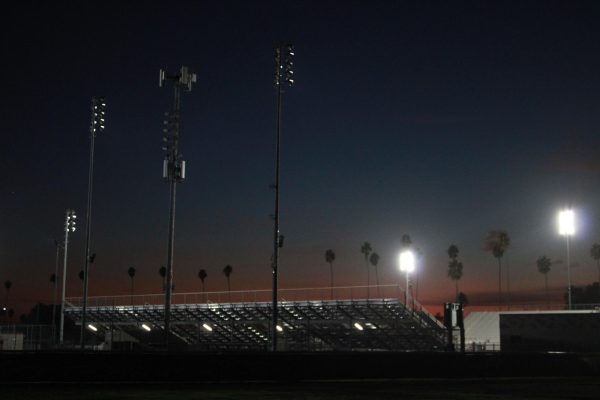
Also, according to Cleveland Clinic, some symptoms of seasonal depression are sadness, anxiety, weight gain, lack of energy, trouble concentrating, loss of interest in usually pleasurable activities and oversleeping.
Junior Kristiene Felipe’s seasonal depression hits her during the fall.
“I think it’s mainly because everything is jumbling on me at once. I have ASB workshops and then my birthday’s coming up and I think that my birthday plays a huge factor in me having seasonal depression because every year on my birthday, I would always get like seasonal blues,” Felipe said.
Since one of the symptoms of seasonal depression is a lack of energy, Felipe has been less productive.
“I’ve noticed that at the start of the school year, I was super productive. I was on my tasks and everything, but once fall came, I really think that it took a toll. I think my mental health too, but I think just on my productivity, like, I don’t have the energy to do things,” Felipe said.
Felipe also explained that grinding her teeth has led her to meditate to manage her stress. She believes that meditation has helped her deal with her seasonal depression.
“So I think I kind of took action on the seasonal depression by just trying to make peace with myself and trying to meditate a lot,” Felipe said.
Although seasonal depression is a serious issue, Felipe notes that people may not know what it is.
“I feel like seasonal depression is so common, but I don’t think a lot of people understand that it is a thing,” Felipe said.
Sophomore Nathan Alonso recognizes that seasonal depression impacts him during the winter and spring.
“For some reason, I get unmotivated to do things, and then it’s like, I try to focus, but it’s just something about the weather,” Alonso said.
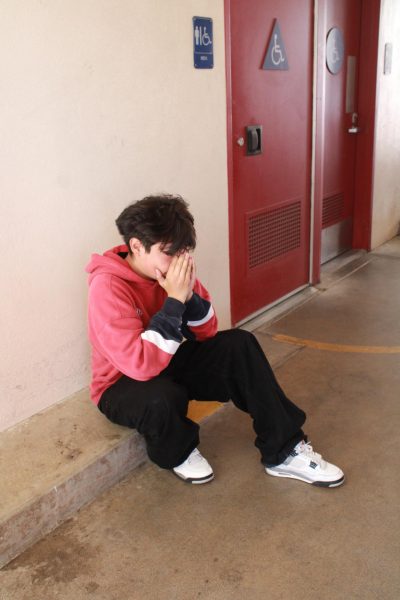
Alonso explains that he has seasonal depression due to painful associations of the winter and spring with past events, like losing his close friend.
“Well, mainly because the majority of some stuff that’s happened in the past happened during those times. So whenever those times come around, I still get those same feelings or emotions from when that happened,” Alonso said.
Alonso’s seasonal depression affects not only his academics but also extracurriculars he often enjoys, like boxing.
“And then once that seasonal depression starts, that’s when I start slacking off on school, and then I don’t want to go to practice as often as I used to,” Alonso said.
Alonso combats his seasonal depression by doing hobbies that usually make him happy.
“Some things that I do are just listening to music, going out and just trying to distract myself, really, with things that make me happy. That, or just talking to some of my friends on how I feel,” Alonso said.
Danielle Sosa, a Master of Social Work (MSW) intern for the Comprehensive Counseling Program (CCP), works at the Wellness Center (K-1). Sosa described some activities to help combat seasonal depression.
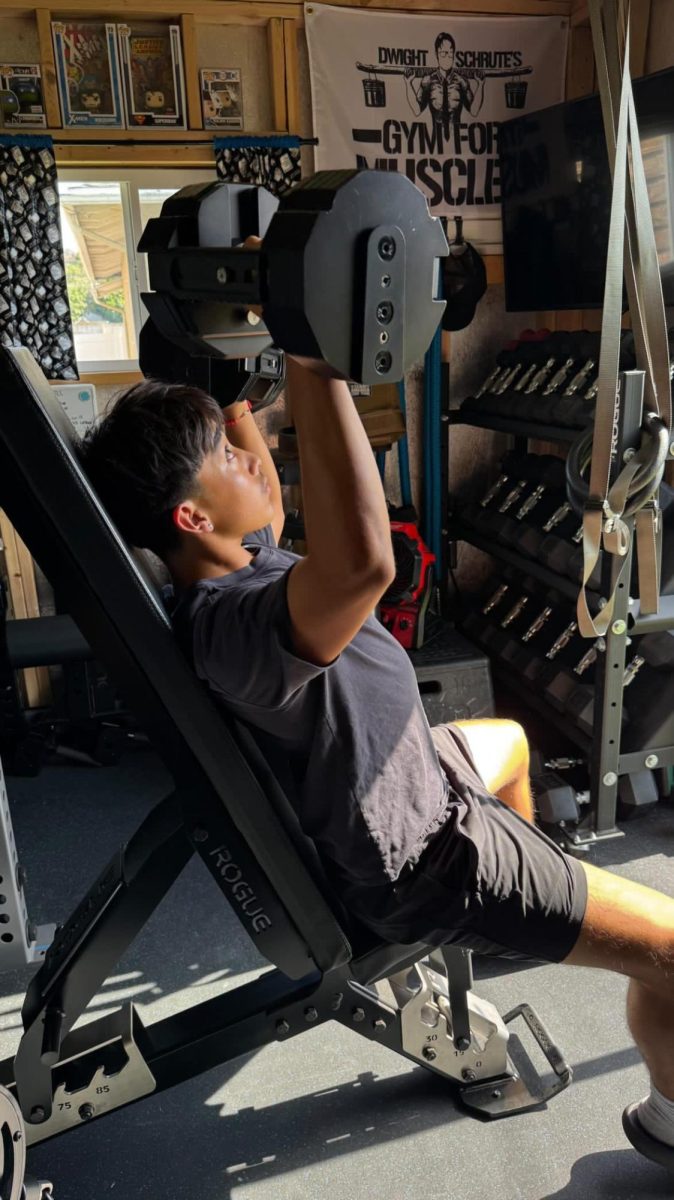
“So I would try to get into a hobby, whether that’s something that puts you outside while the sun is out or moving your body, like fitness, going to the gym if you’re able to, or investing in a self-care hobby. So like doing an art expression. Anything that you’re able to find happiness or joy in to kind of distract you or to take away from the less hours that the sun is out and the change in the weather too,” Sosa said.
Sosa also explained that there are health actions that can help ease the effects of seasonal depression.
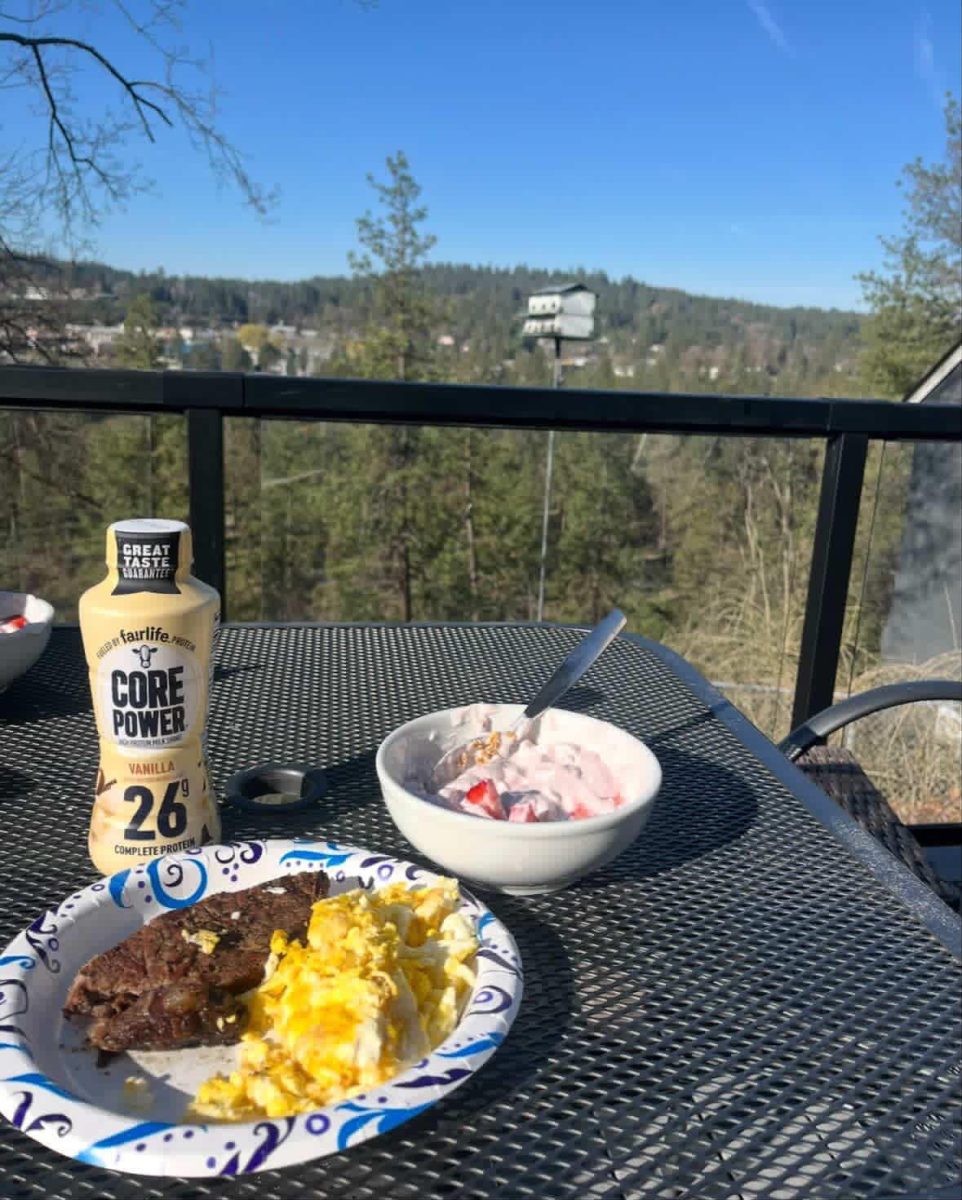
“Making sure we’re taking care of ourselves: Eating. I also recommend looking into vitamins, like a vitamin regimen. I know vitamin D is recommended for when the sun is out less, so looking into that, talking with parents,” Sosa said.
Sosa believes that seasonal depression is a serious issue, yet it lacks recognition.
“I think it’s something that should definitely be more talked about. I would say it’s as serious as regular depression,” Sosa said.
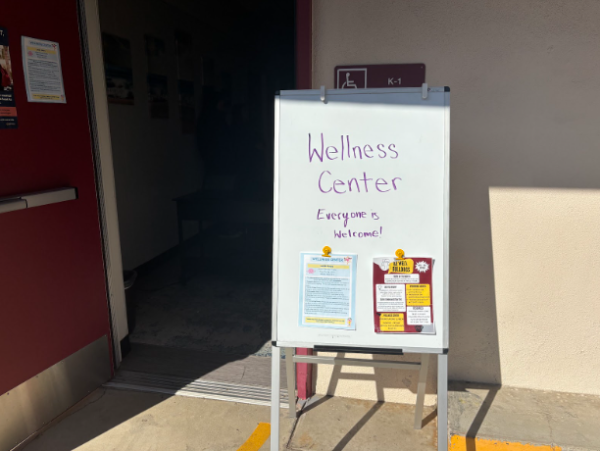
Sosa also explained how the Wellness Center could be a good resource for students experiencing the difficulties of seasonal depression.
“This is a safe space for anyone who needs to just come and take a break. Maybe just come and hang out with themselves for a little bit. So definitely this would be a good space for somebody who’s maybe feeling the overwhelming effects of the seasonal change,” Sosa said.
Seasonal depression is a condition that negatively impacts students in their social, academic and mental domains. Although it can be difficult to deal with, there are multiple resources to counter seasonal depression. The Wellness Center is open during lunch for students who need a break. Engaging in hobbies like going to the gym, reading, listening to music and making art can lessen the weather’s impact. Also, talking to family, friends, trusted adults, therapists and counselors can help.